



Table of Contents
Author | Jaime Ramos
What are this year’s top urban tech trends? The development of urban solutions has multiplied in recent years. It is hard to offer a single list, particularly bearing in mind the interdisciplinary nature and synergies being revealed by innovations. However, these are the six most significant ones.
What is urban innovation?
Firstly, what does urban innovation mean? The idea is deeply related to the highly in-fashion term, ‘smart’. It refers to solutions, provisions and/or ways of adapting to the challenges surrounding major cities. Because the urban setting is becoming increasingly relevant. By 2025, 600 global urban centers will account for 60 percent of global GDP.
The new technologies developed in these coincide in offering a horizon of sustainability, social and economic convergence, participation, smart mobility and, in general, that improve quality of life in cities and embrace these types of innovations.
The most relevant urban innovations of 2021
Smart traffic lights

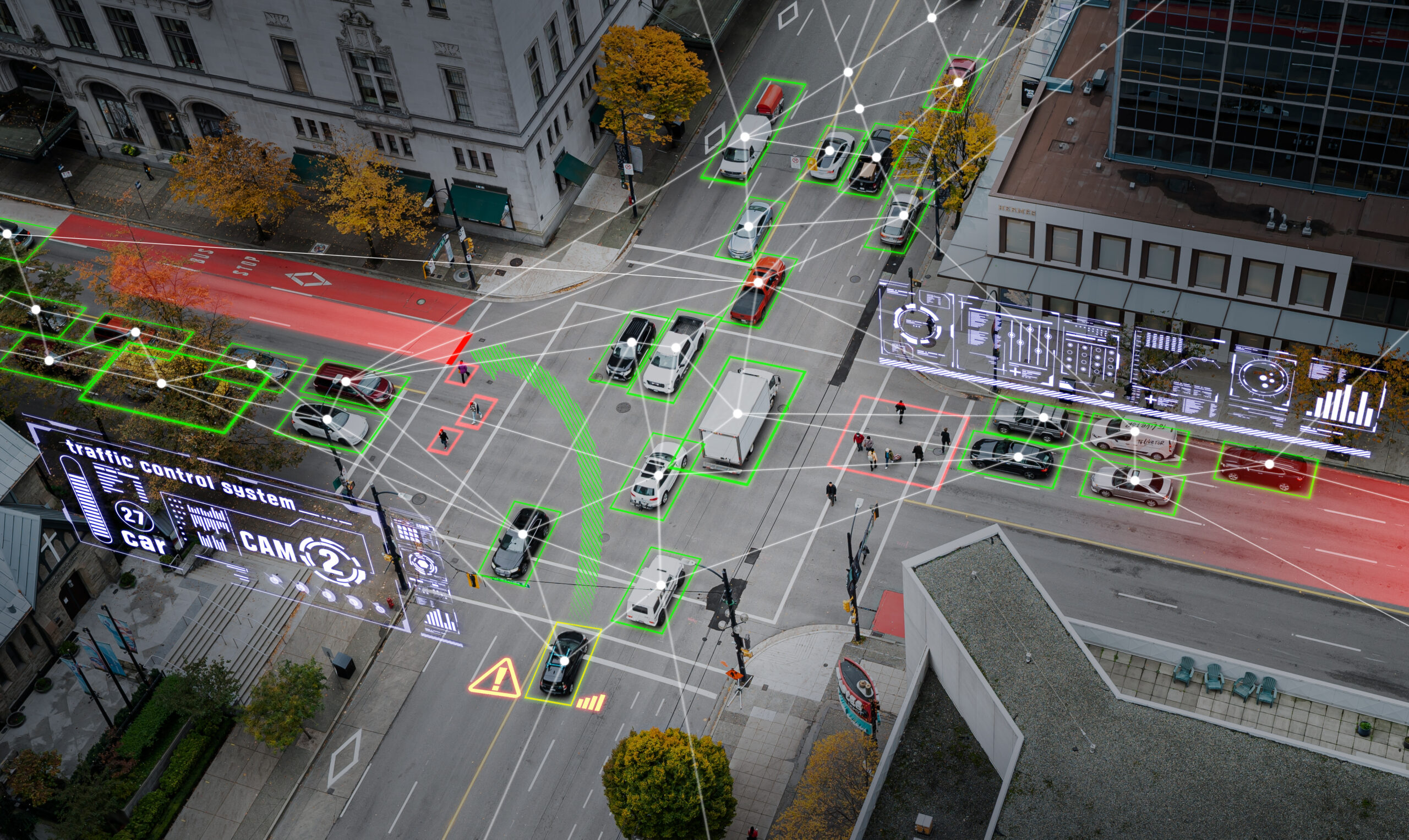
Making urban roads safer spaces and saving lives while also contributing to the flow of traffic is the aim of smart traffic light systems, which have been under development for years.
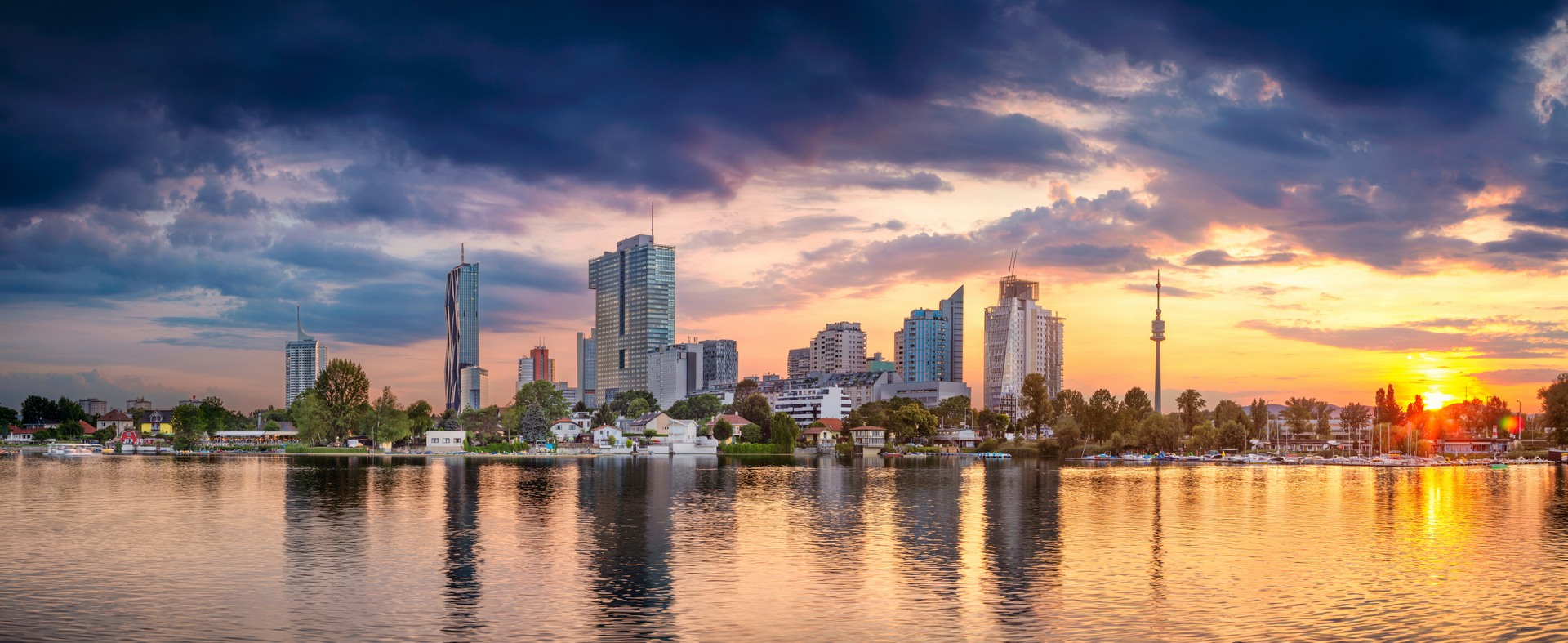
Recently, Vienna deployed a technology that will affect the 200+ traffic lights in its center. The software can recognize pedestrians’ intention to cross a road and it is aided by machine learning algorithms.
Emergency Vehicle Priority
Still in line with the previous solution, essentially, the goal is for urban infrastructures to adapt to human uses, and not the other way round. Another solution that enables traffic lights to give priority to emergency services when needed is being tested in Modena. The system works by means of an algorithm that regulates the flow of traffic based on mobility requirements.
Urban agriculture
Demographic challenges require new solutions that enable, not only global hunger to be alleviated, but also future food requirements to be anticipated.
This is the intention behind urban farms. These are alternatives to conventional farming that seek the inevitable degree of sustainability required to prevent negative phenomena associated with the primary sector, such as deforestation, water consumption or pesticides. To achieve this, they use the benefits of connected agriculture.
Smart lighting solutions

Do cities need their entire lighting network to be left on at the same intensity during nighttime hours? The answer is clear: no.
Smart lighting solutions use this premise to manage light usage and intensity. In fact, in cities like Amsterdam, their residents appreciate it when they are resting. The Dutch solution reduces energy dependence and light pollution.
Design of Smart homes
The Internet of Things (IoT) has resulted in many private homes having a collection of technology applications with a large-scale impact, beyond the domestic arena. Smart homes are now more energy efficient and reduce emissions. According to the United States Department of Energy, the use of solar panels alone, for example, saves 200 tons of CO2 from being released into our atmosphere.
Smart urban planning
All these innovations require a specific roadmap to harmonize them in order to achieve the urban objectives in terms of sustainability and inclusion.
Susan S. Fainstein, Professor of Urban Planning at Harvard University, explains it as follows: "urban planning as a practice and discipline is based on public policies that serve as an instrument to create a more attractive and just environment which, without radically altering human behavior, contributes with its improvements to quality of life".
The introduction of new technologies brings with it consequences at different levels, which is why urban planning organically integrates developments in technology.
Images | iStock/RudyBalasko, iStock/axlemasa, iStock/sommart