



Author | Lucía Burbano
XZero or "the new paradigm of sustainable urban life", is the most recent smart city initiative in the Persian Gulf region. According to its promoters: "At the heart of the project is a unique, multifunctional resilient landscape, designed to promote health, wellbeing and biodiversity". Let’s analyze it.
What is XZero?
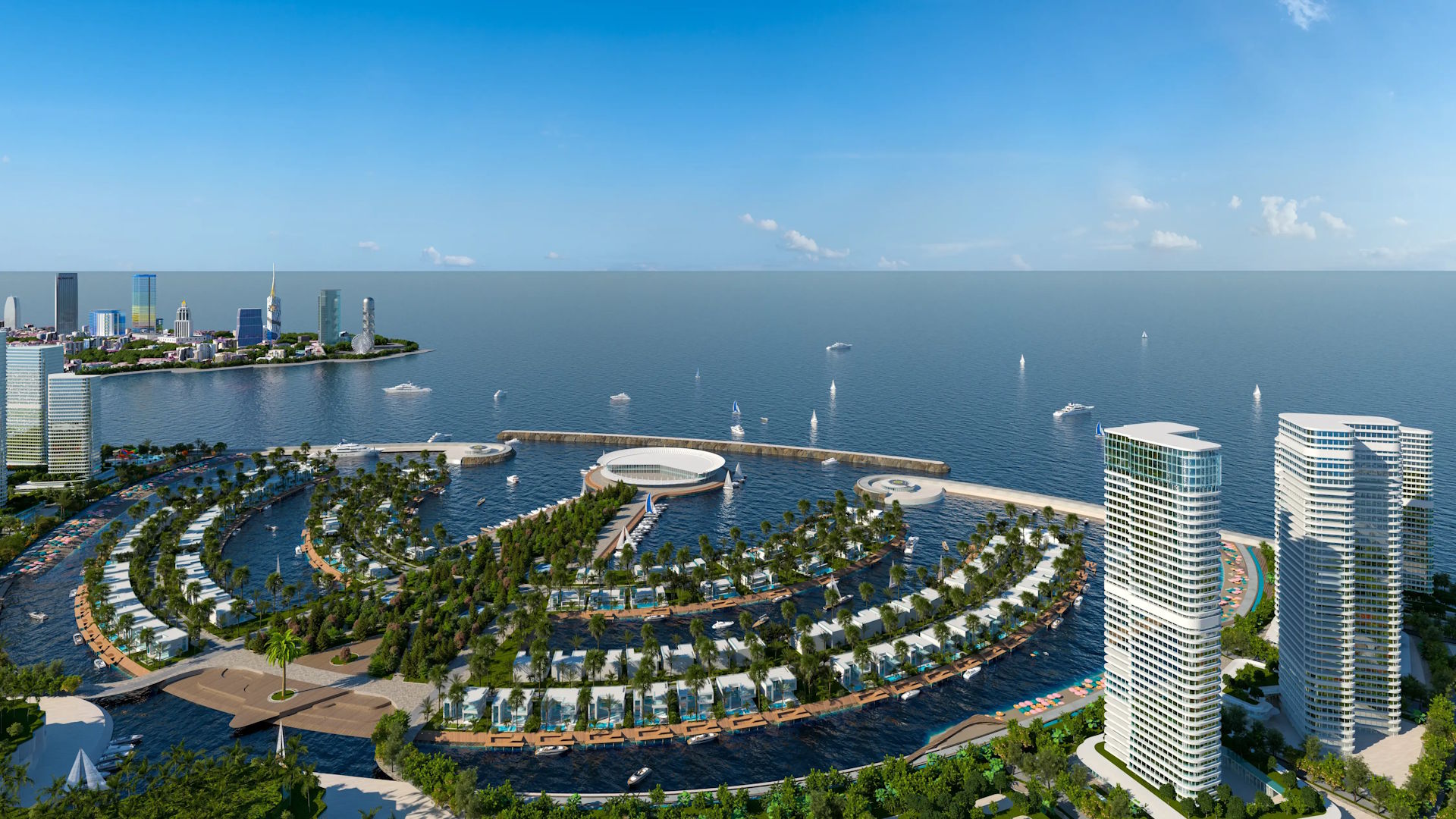
URB, a global Dubai-based developer determined to incorporate sustainability in its projects, has presented XZero City, an eco-city for 100,000 people located in the southern region of Kuwait.
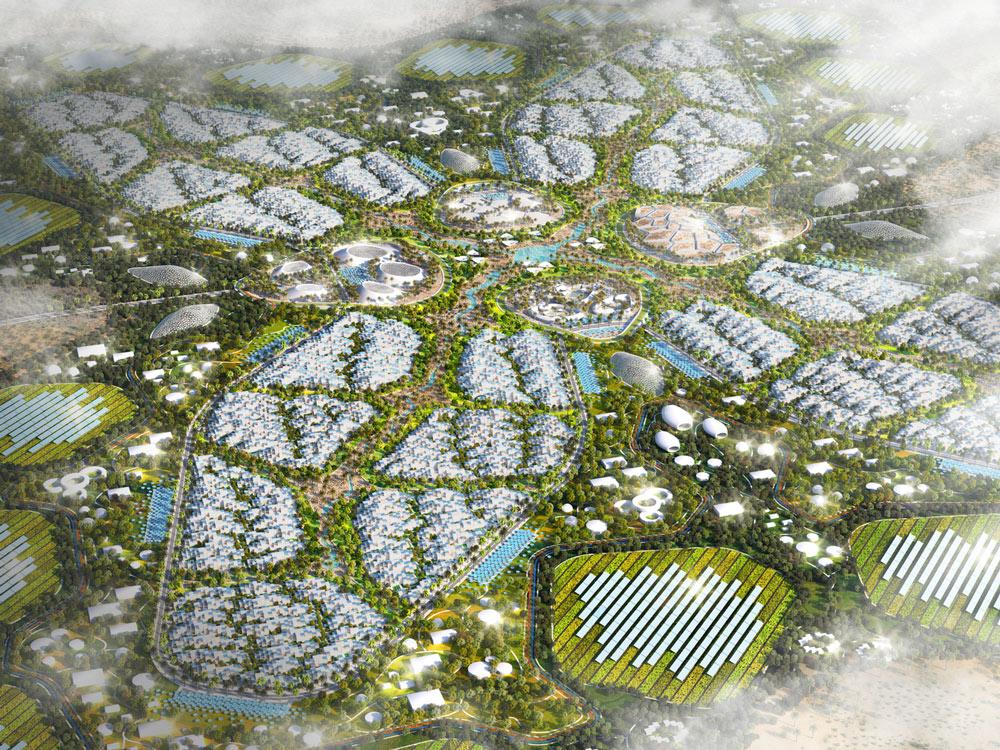
Its master plan, with four clusters shaped like petals surrounded by green areas, will be organized in various ‘hubs’: a technological, medical, tourist, educational, commercial and leisure hub. There will be 30,000 houses and all the jobs offered in the city will follow sustainability principles.
XZero is walkable, green and healthy
This smart city project will occupy 1,600 hectares of land and promises to promote health, wellbeing and biodiversity through resilient landscaping.
It intends to achieve this with the following measures:
A ‘green’ and ‘blue’ infrastructure
● It integrates numerous water-sensitive urban design strategies. Its main arteries include an integrated system that works like a network to manage stormwater, as both a retention and infiltration system
● The green area surrounding the city is integrated by a network of biophilic designs that allow nature to flourish.
● The city has farms with high-end technology biosaline solutions for farming and energy uses.
Car-free
The XZero is designed to restrict vehicle access in order to create a walkable city. The larger landscaped area will promote social activities, biodiversity and microclimate optimization to mitigate the effects of rising temperatures and urban heat islands.
Self-sufficient
The city will also include the first scalable food-energy-water & waste nexus farms. Fish will be bred and halophyte plants including quinoa and Salicornia will be grown with water obtained from desalination processes. Furthermore, healthy and nutritious foods will be produced with zero impact on the environment to promote sustainability, nutrition and food safety.
Intelligent and connected
A smart network in sectors such as energy, water, food, waste, air quality, health and wellbeing will encourage these resources to be managed more efficiently and fairly for residents. Electric vehicle charging stations, the use of self-driving cars and vegetable gardens watered with solar power are some of the elements the promoters claim will improve the connectivity, sustainability and habitability of XZero.
A strategic smart city for Kuwait

The construction of ecocities falls within Kuwait’s National Development Plan in order to comply with the Sustainable Development Goals. Part of this plan includes a second one, christened as **Kuwait **Vision** 2035****, **which aims to get the next generation of cities to promote the circular economy in a more sustainable manner.
Kuwait’s Secretary General of the Supreme Council for Planning and Development organized an online workshop with the United Nations Development Program, where this concept was discussed with civil society and various public-private entities.
In this context, the Persian Gulf country hopes to increase investments in renewable energies, water and waste management or include innovative and enterprising initiatives in the development of its cities.
Other smart cities in the region
XZero is the most recent initiative in a region that is starting to see the proliferation of projects for smart and sustainable cities. Neom, in Saudi Arabia, AlNama, also in the same country and developed by URB or The Sustainable City in Yiti, Oman, are just some examples. However, the majority do not manage to make their dreams a reality.
The Kuwait project, without a start or end date, could be set to join this well-meaning but unrealistic list.
Images | URB