



Table of Contents
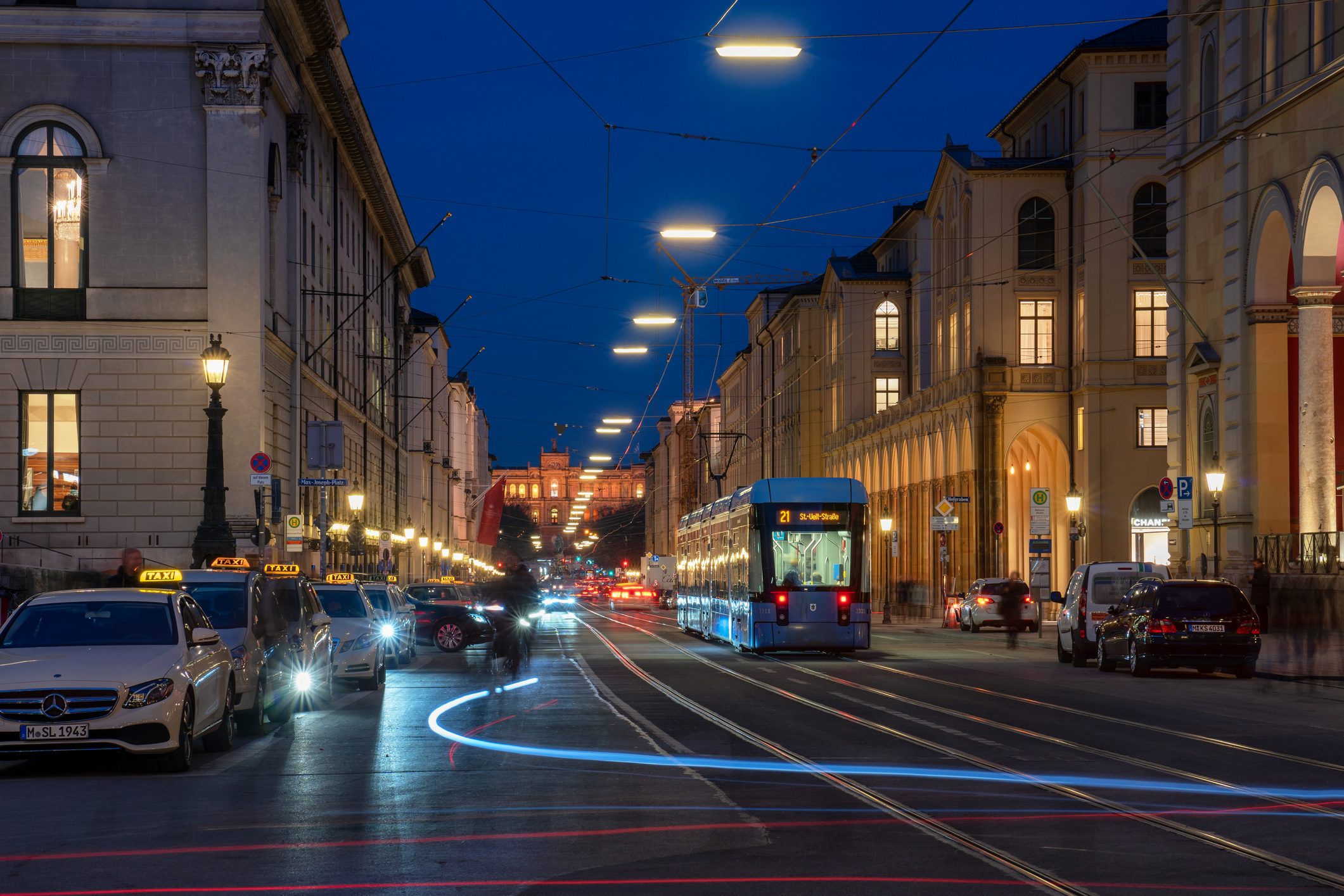
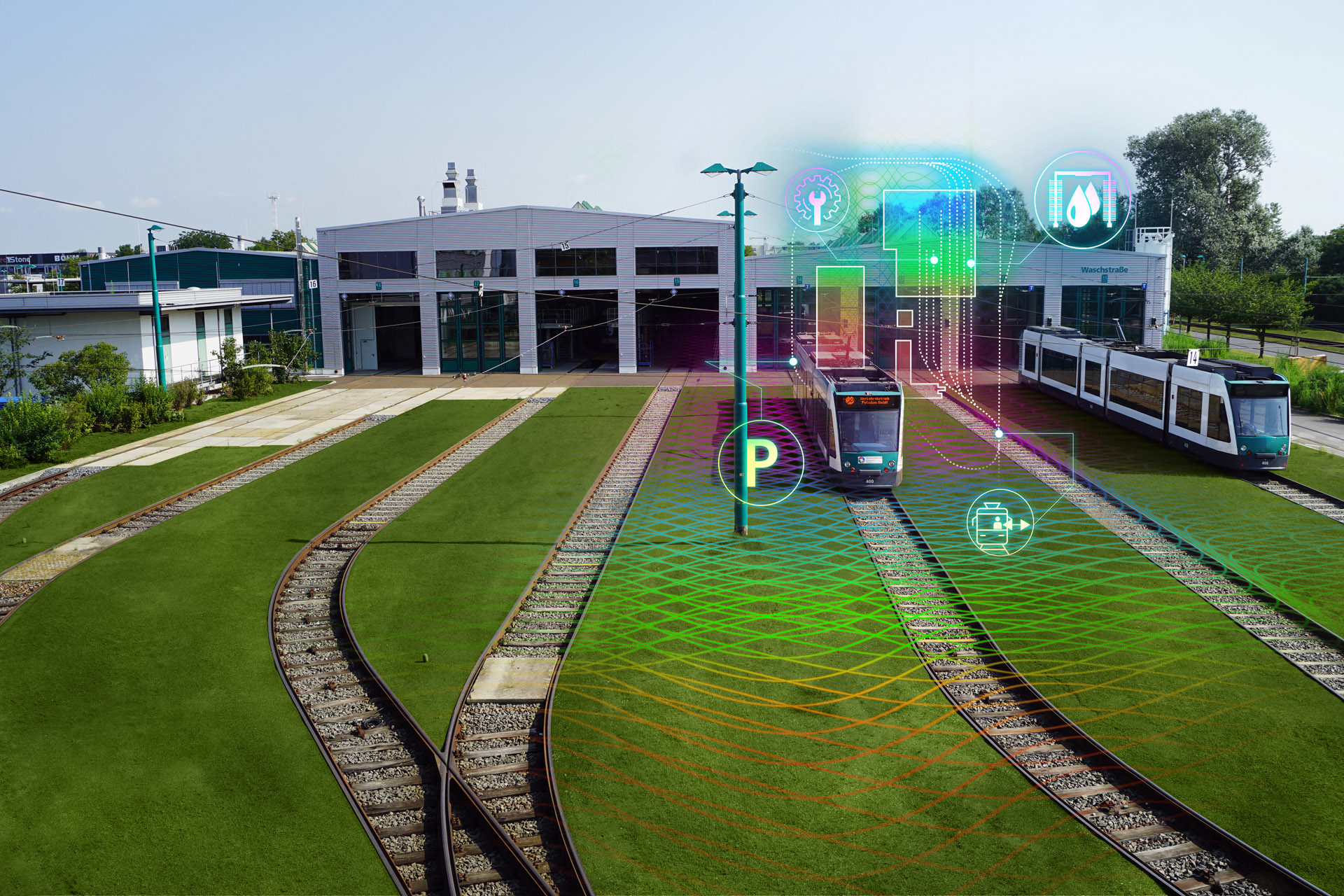
The future of mobility and smart cities runs on the same road. After decades of car-driven urbanism, new paradigms arise with a common goal: to create more liveable, greener communities that are less dependent on private vehicles. There is still much work to do.
What are the challenges of transportation in smart cities?
Drive sustainable mobility
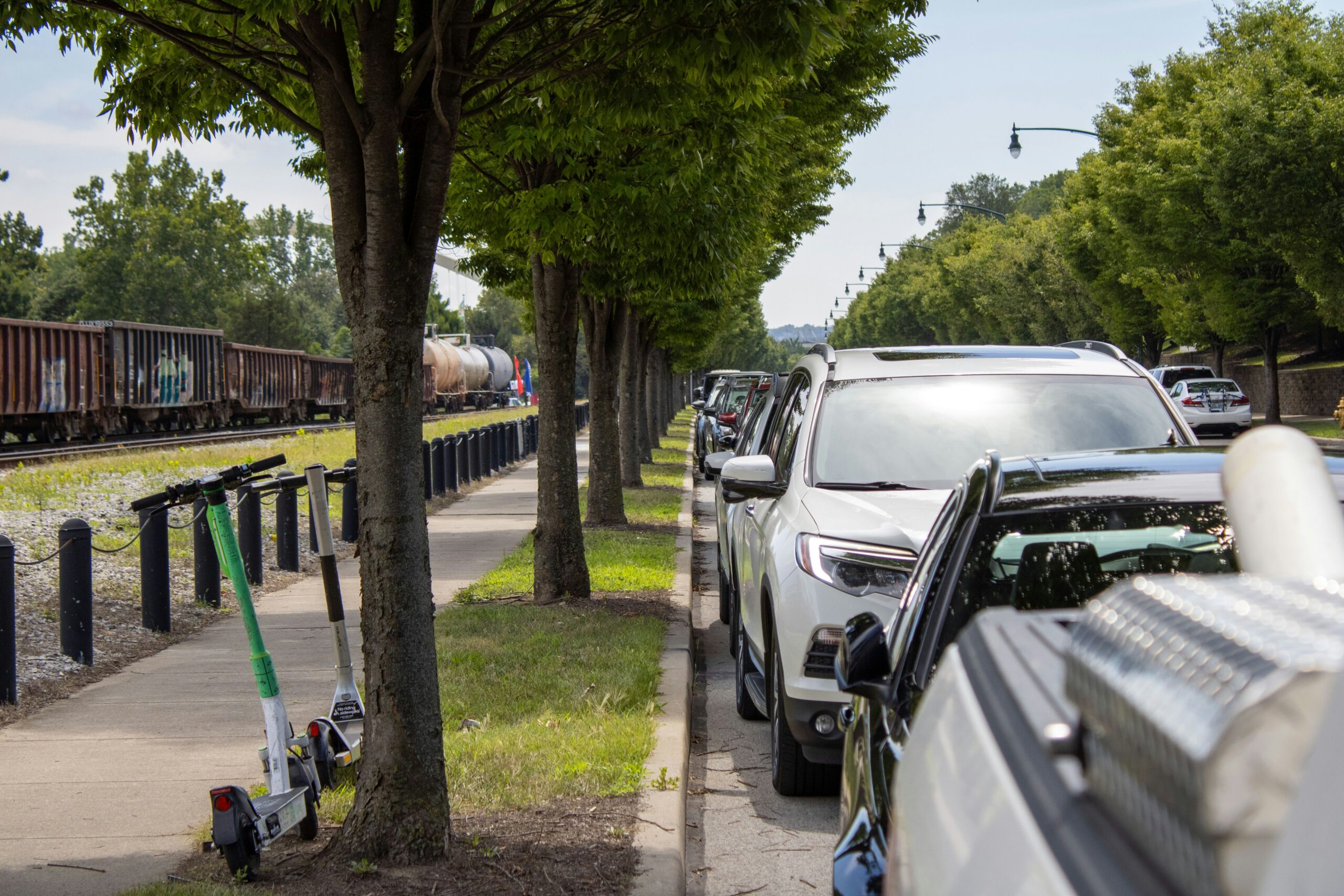
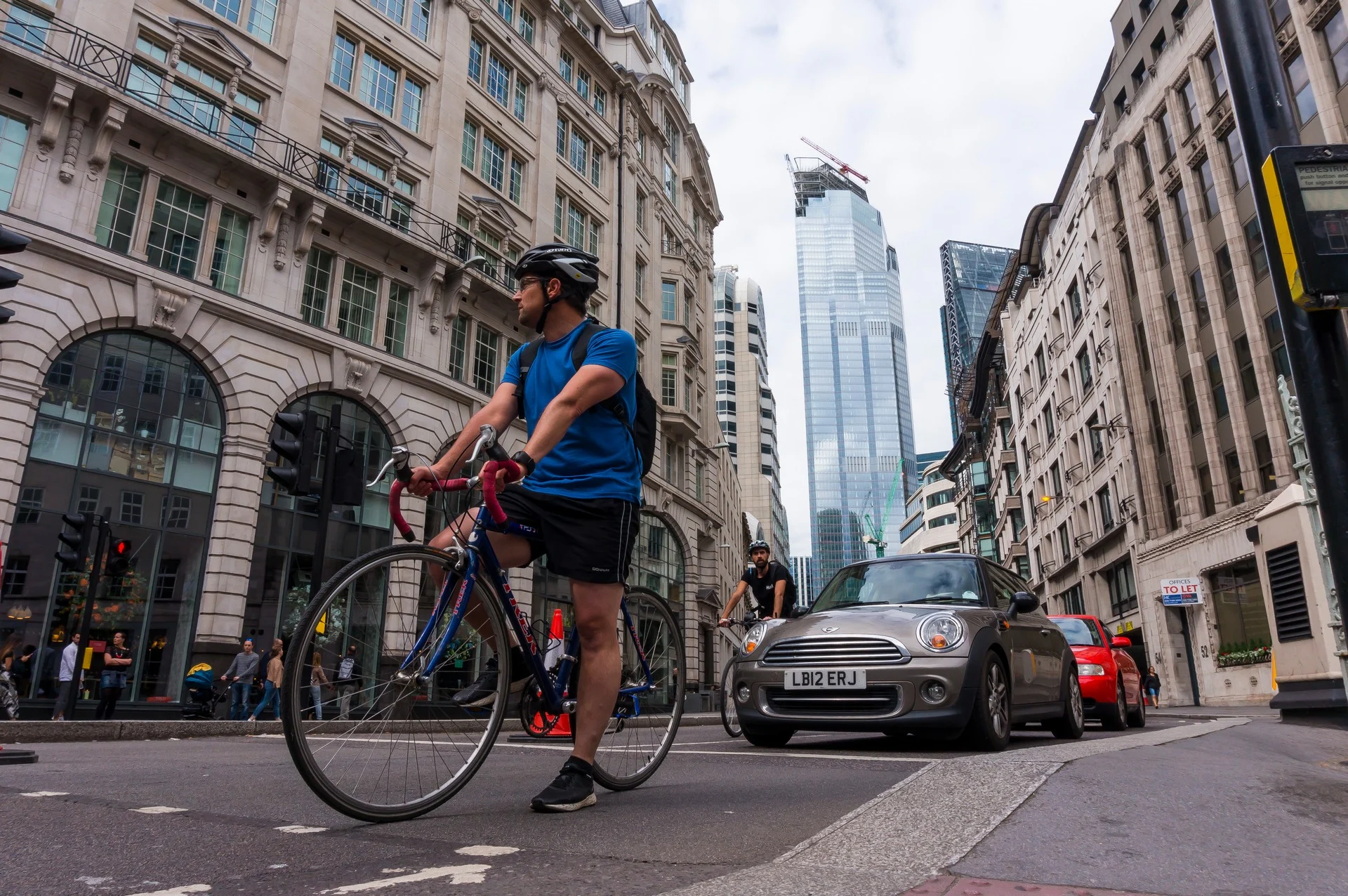
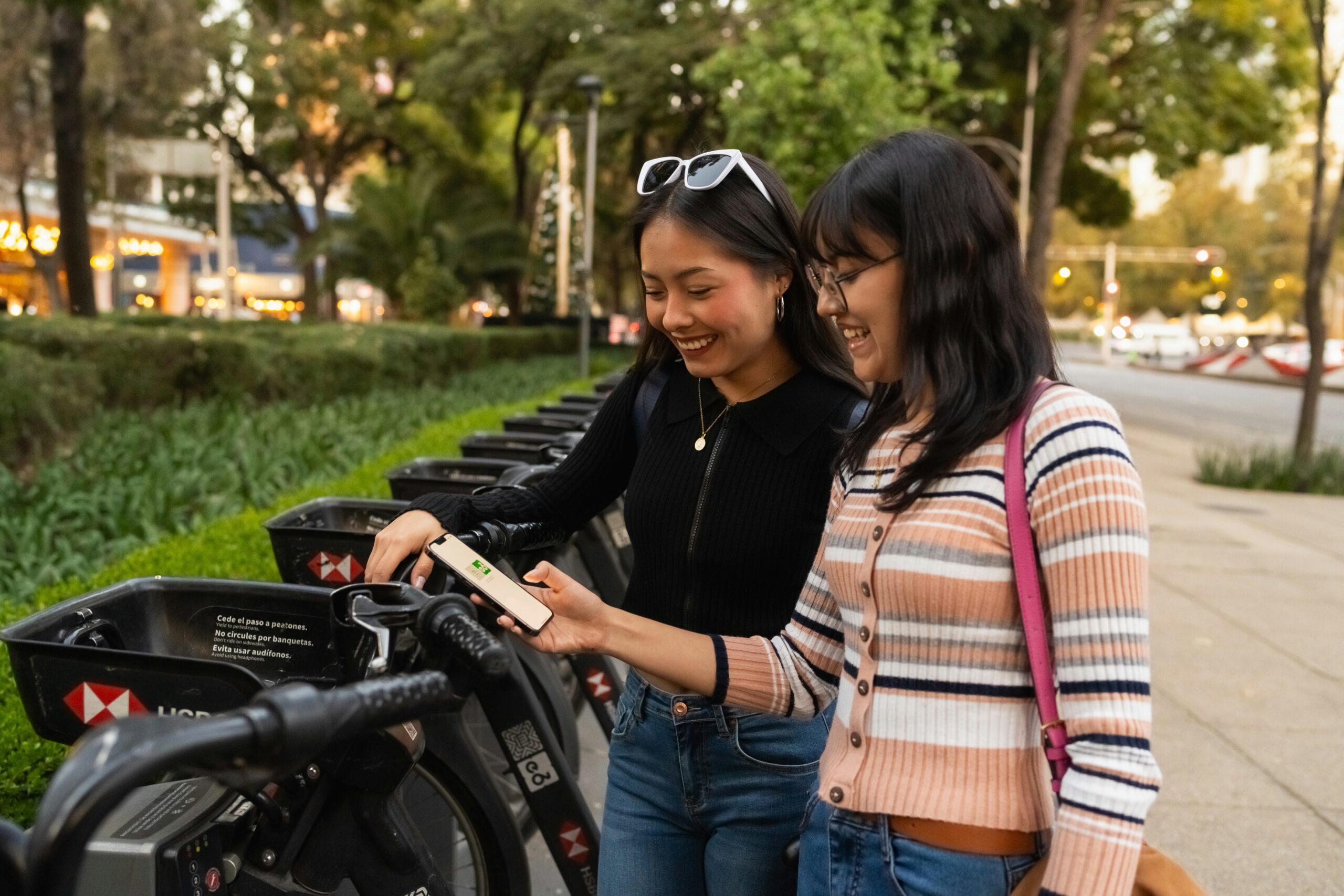
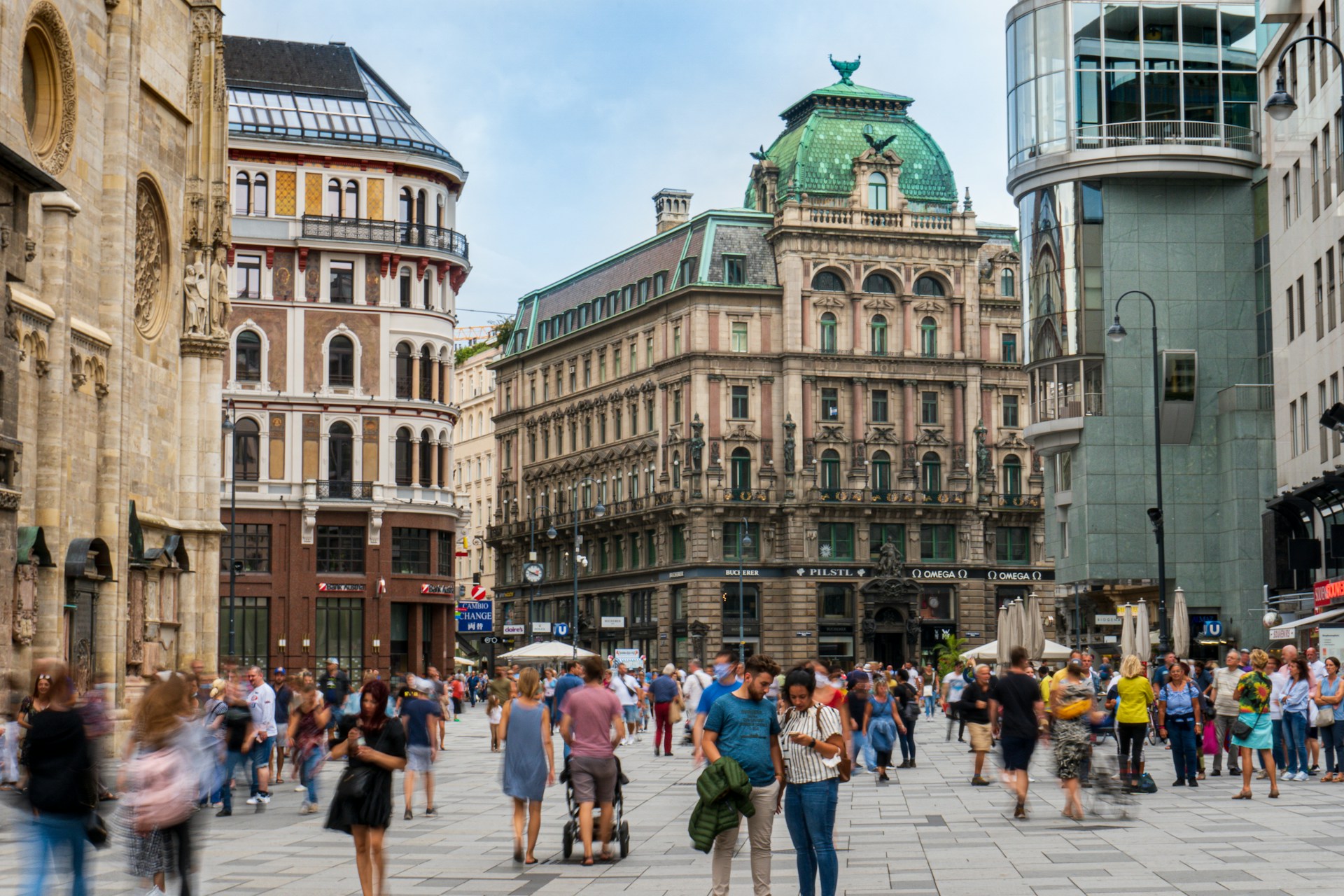
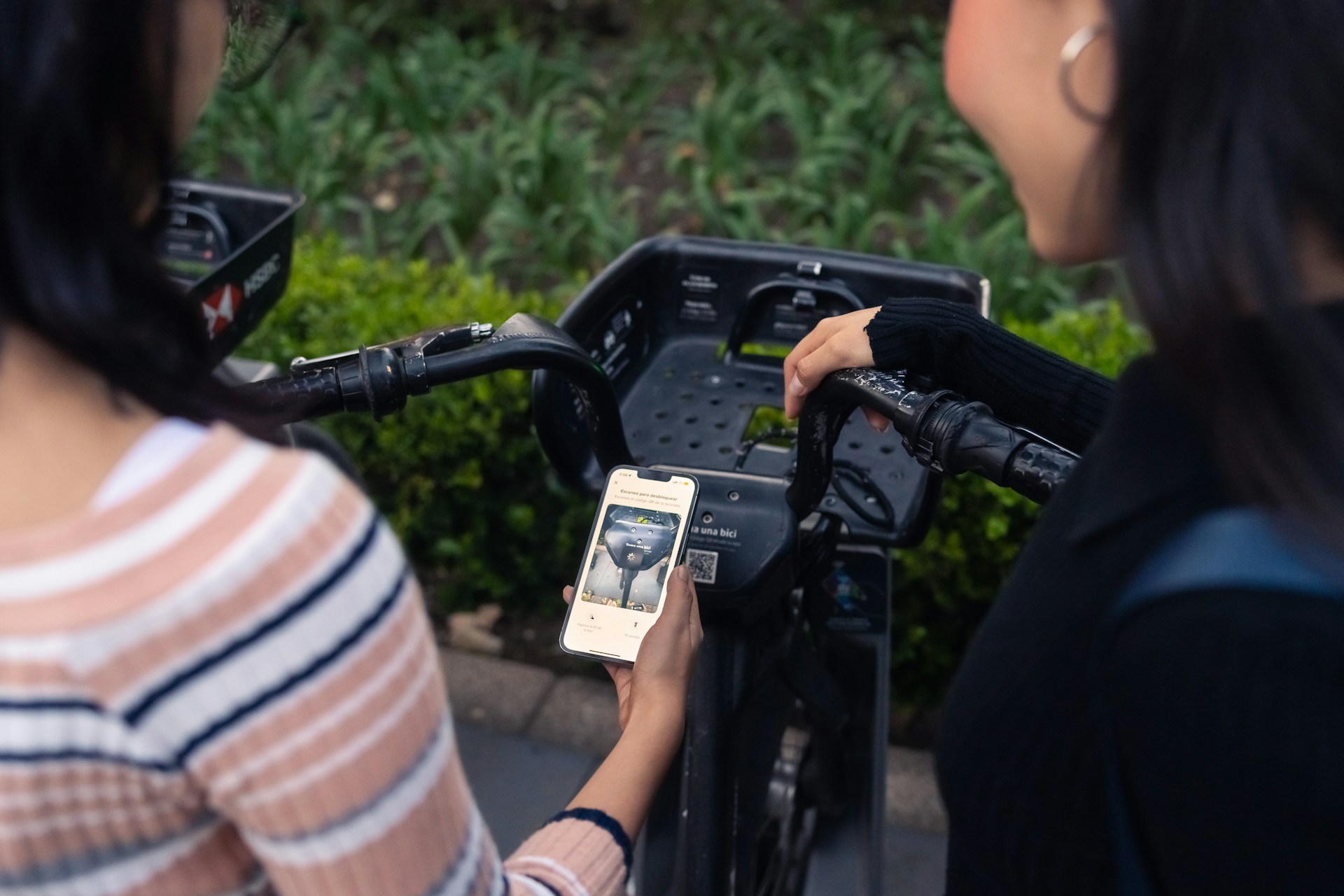
Bike lanes, infrastructure for vehicles such as electric scooters and pedestrianized streets should be a priority in modern urban planning. Of course, not all cities should aspire to become Amsterdam, where there is more bicycles than people. Orography and climate are crucial, and if pedaling is less than optimal, other options should be considered.
Reduce emissions
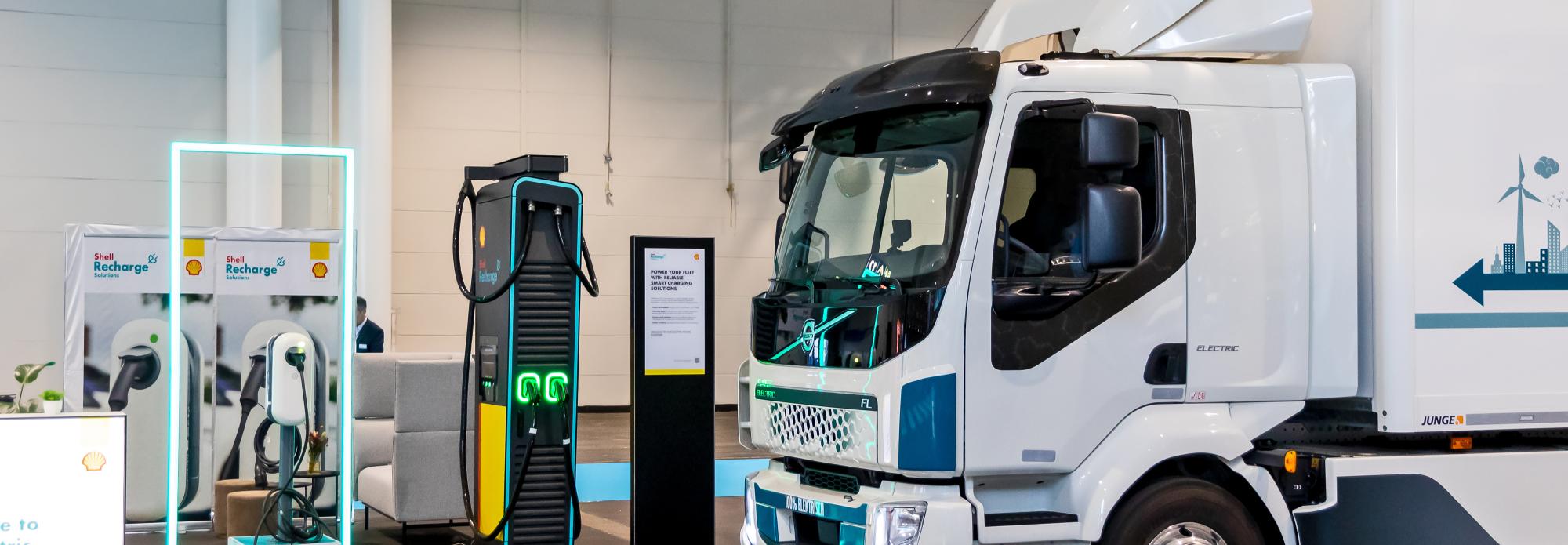
Cities like Copenhagen are testing zero-emission zones where gasoline and diesel cars are outright banned. Alternative transportation and proximity cities could be of great help towards reducing air pollution.
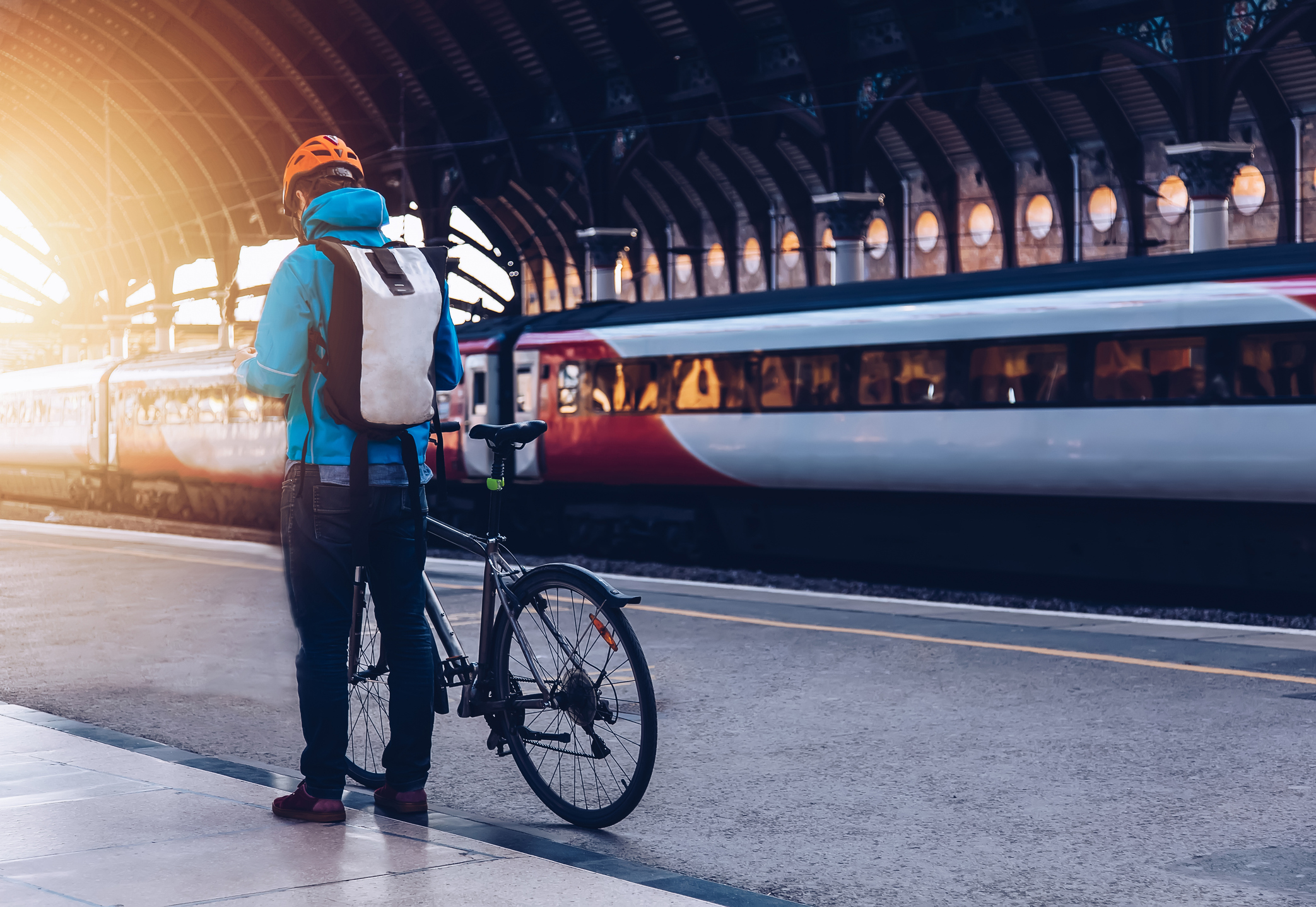
Make multimodal trips easier
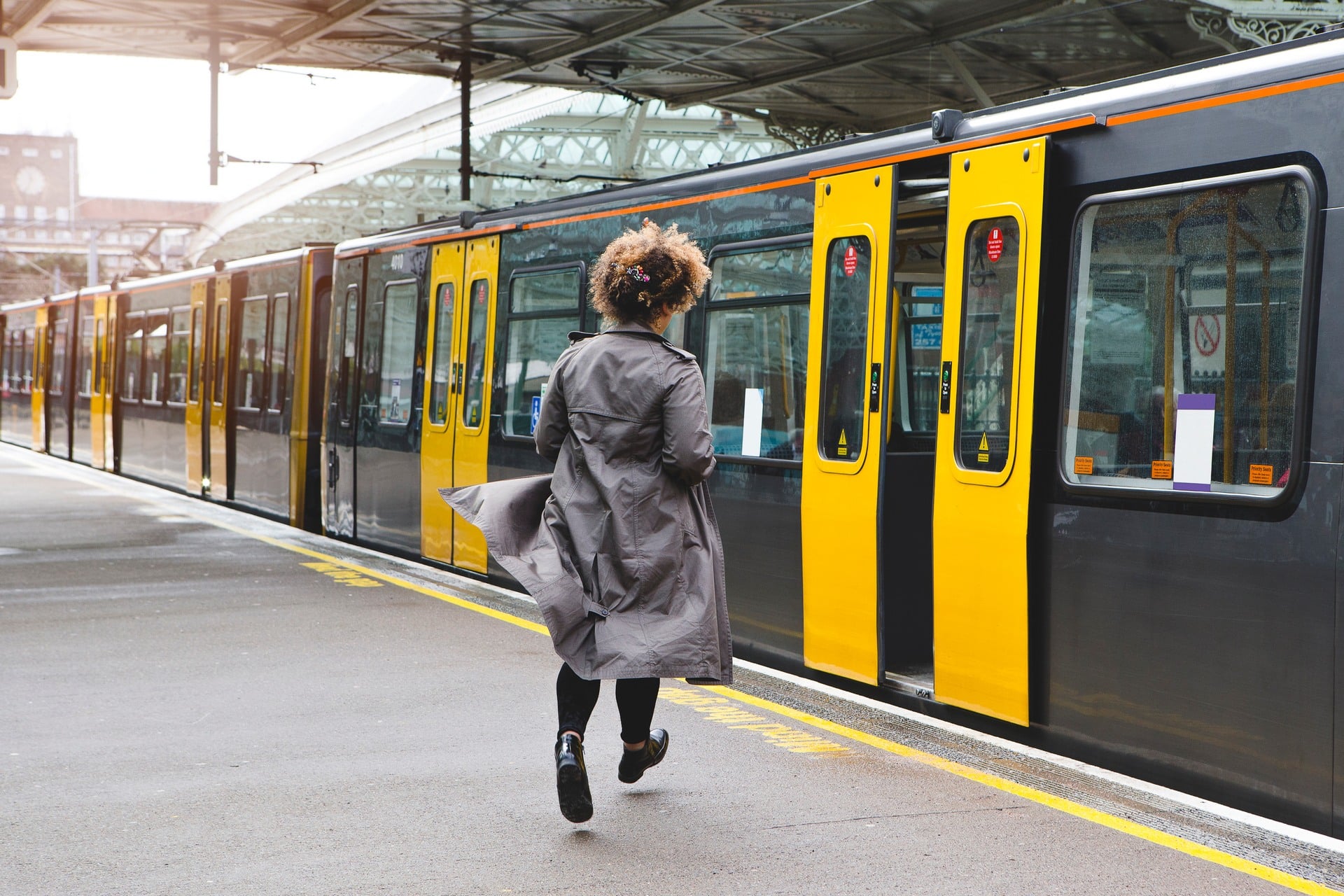
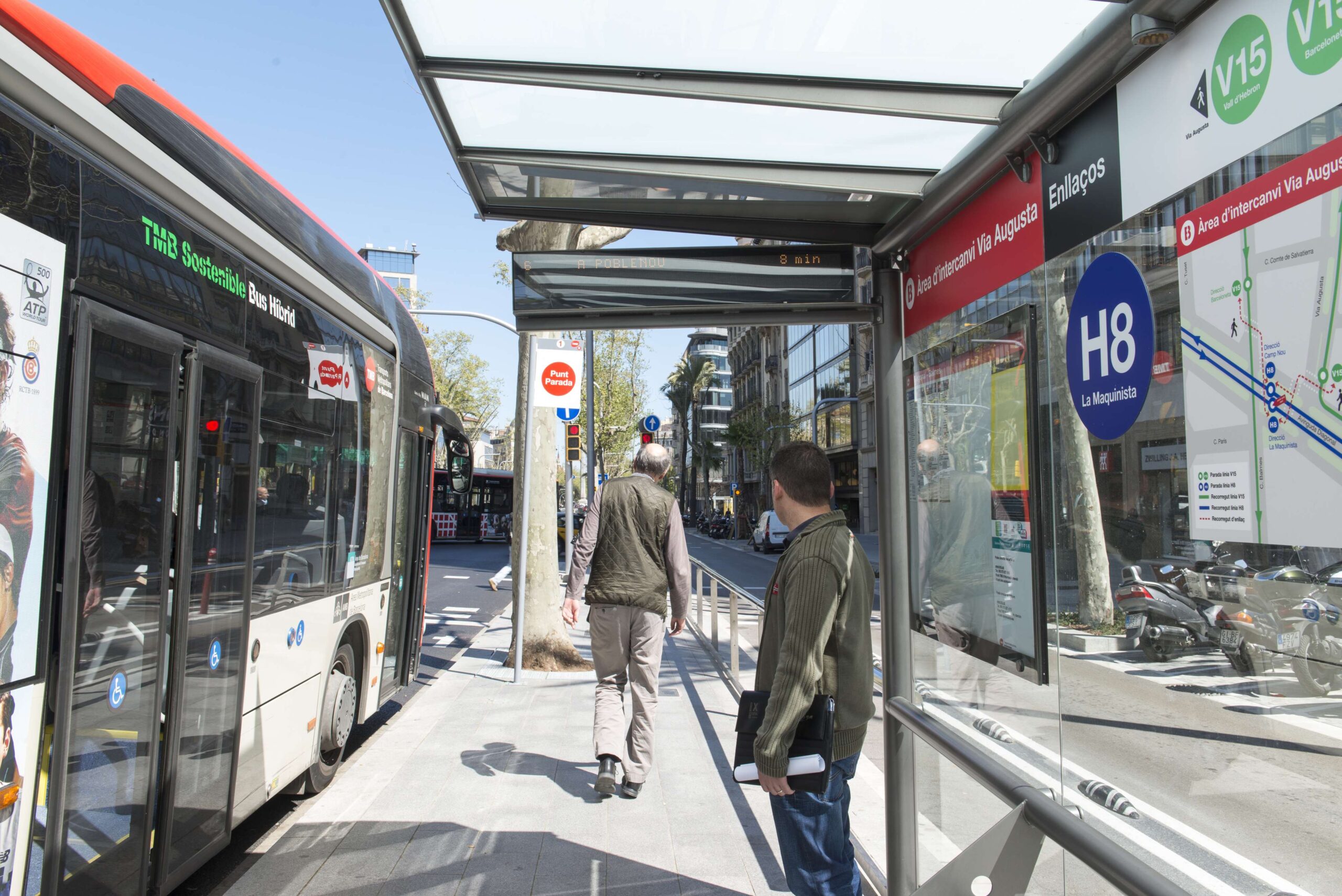
Many citizens avoid taking different means of transportation during their daily commutes due to the nuisance of having to switch stations. And separate billing systems are not helpful at all. The result is longer and less efficient commutes in order to reach the same destination.
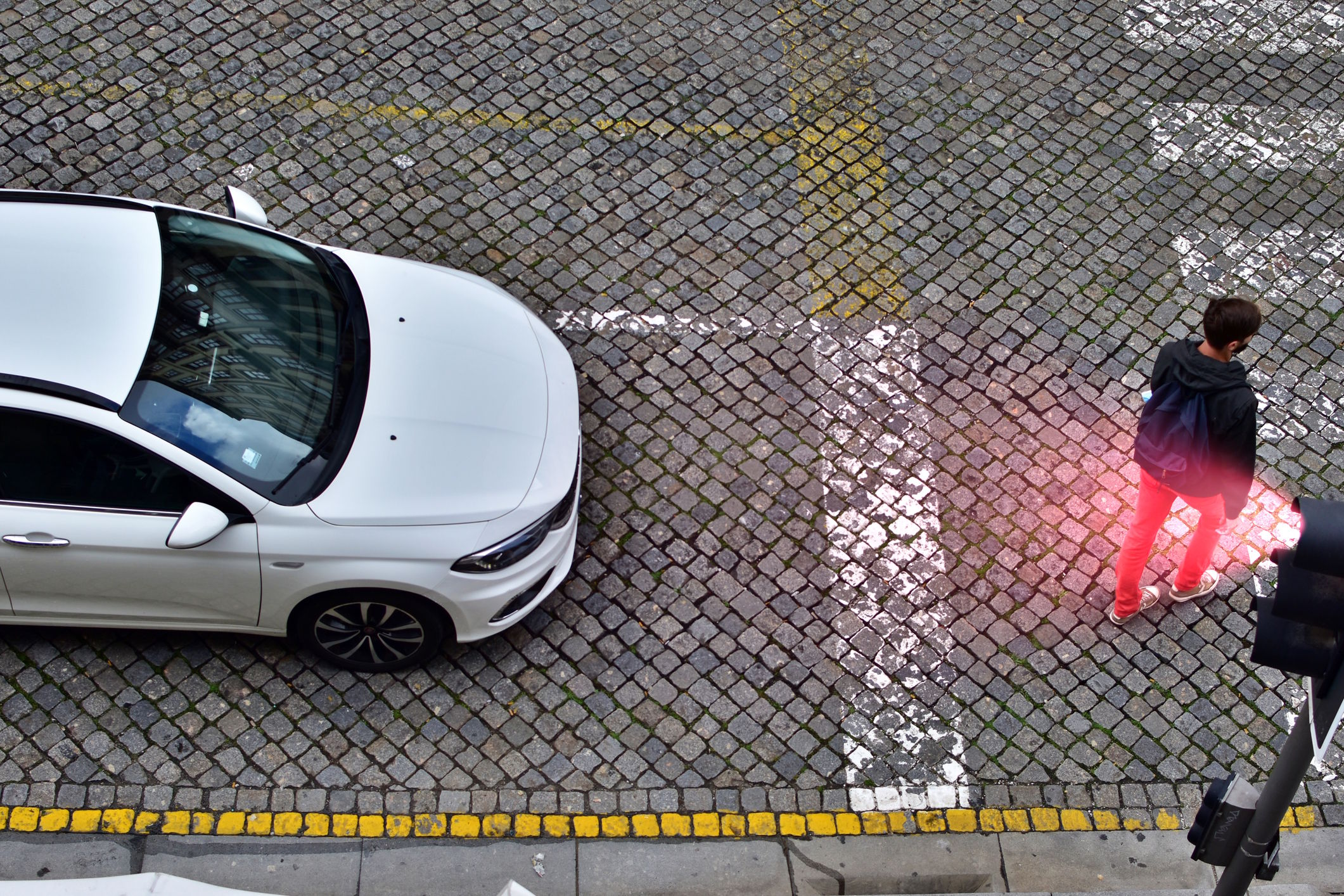
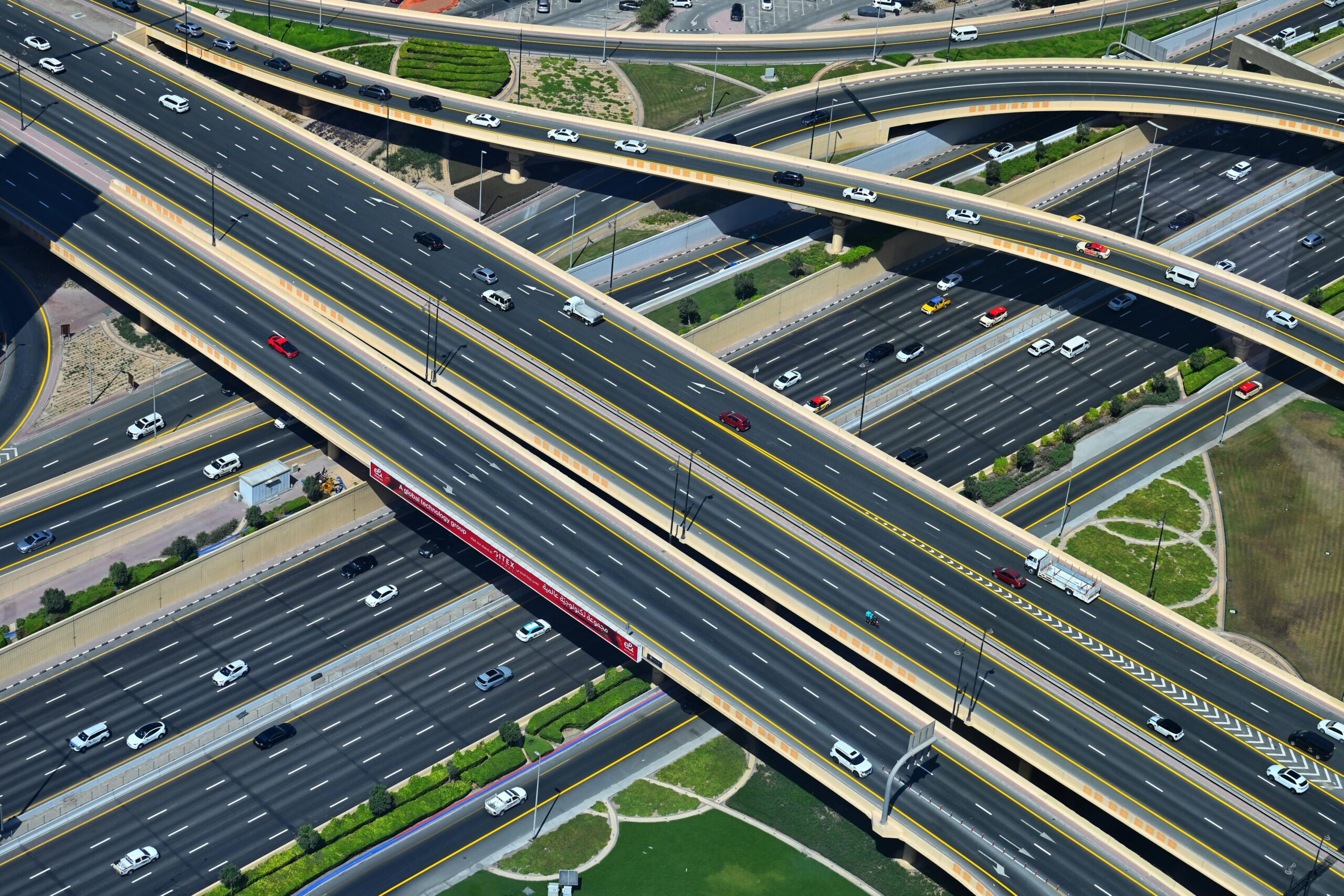
Reduce traffic jams
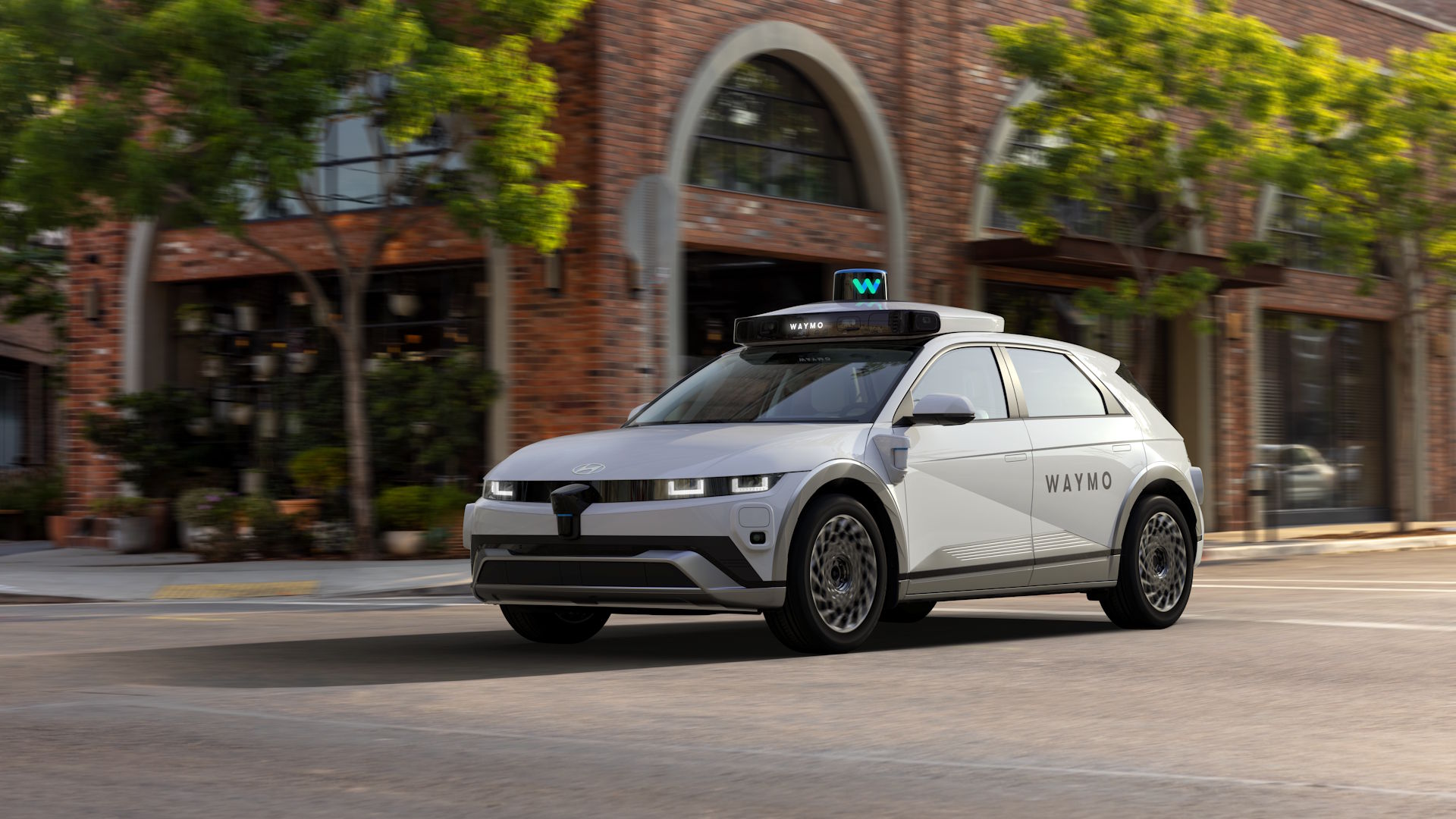
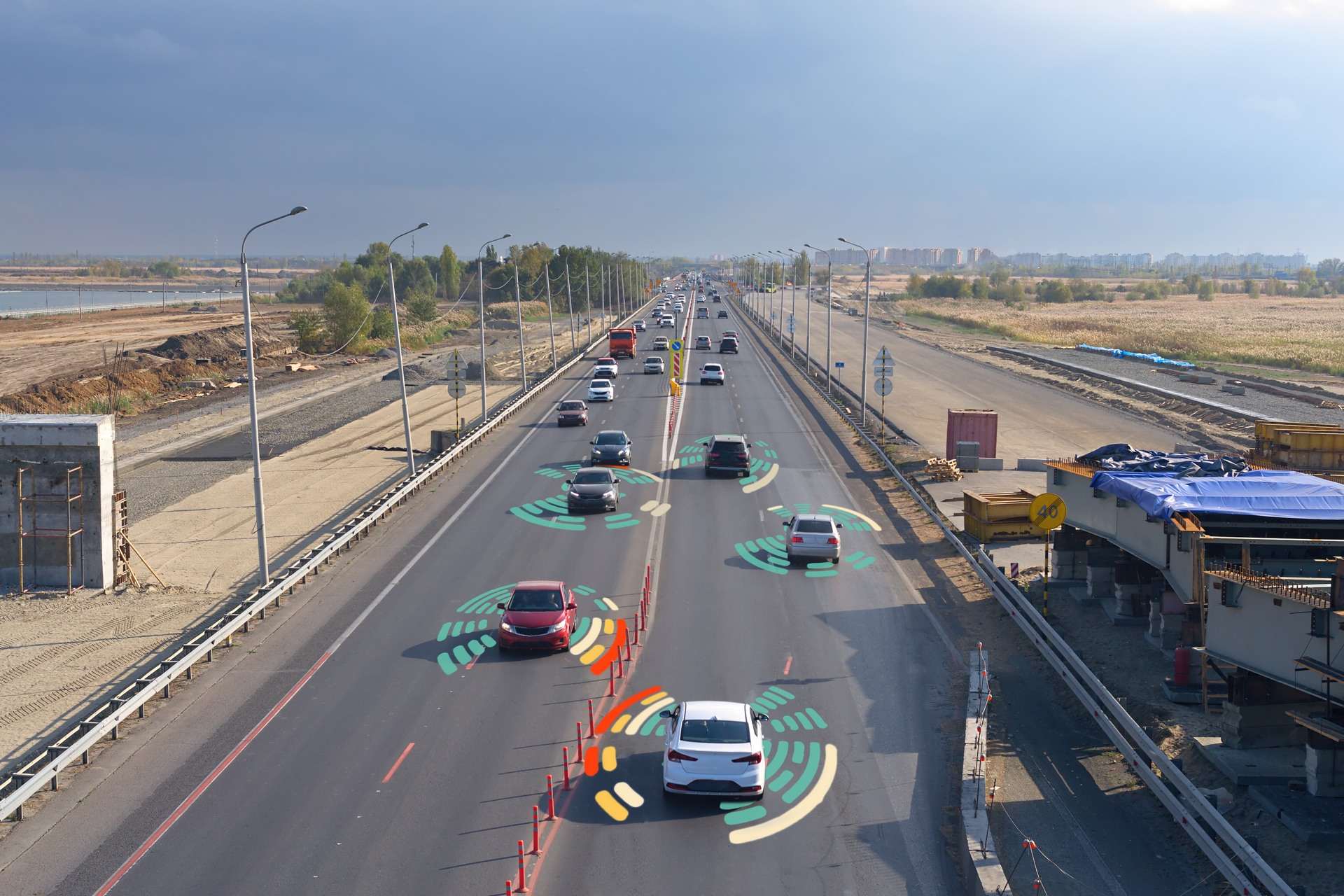
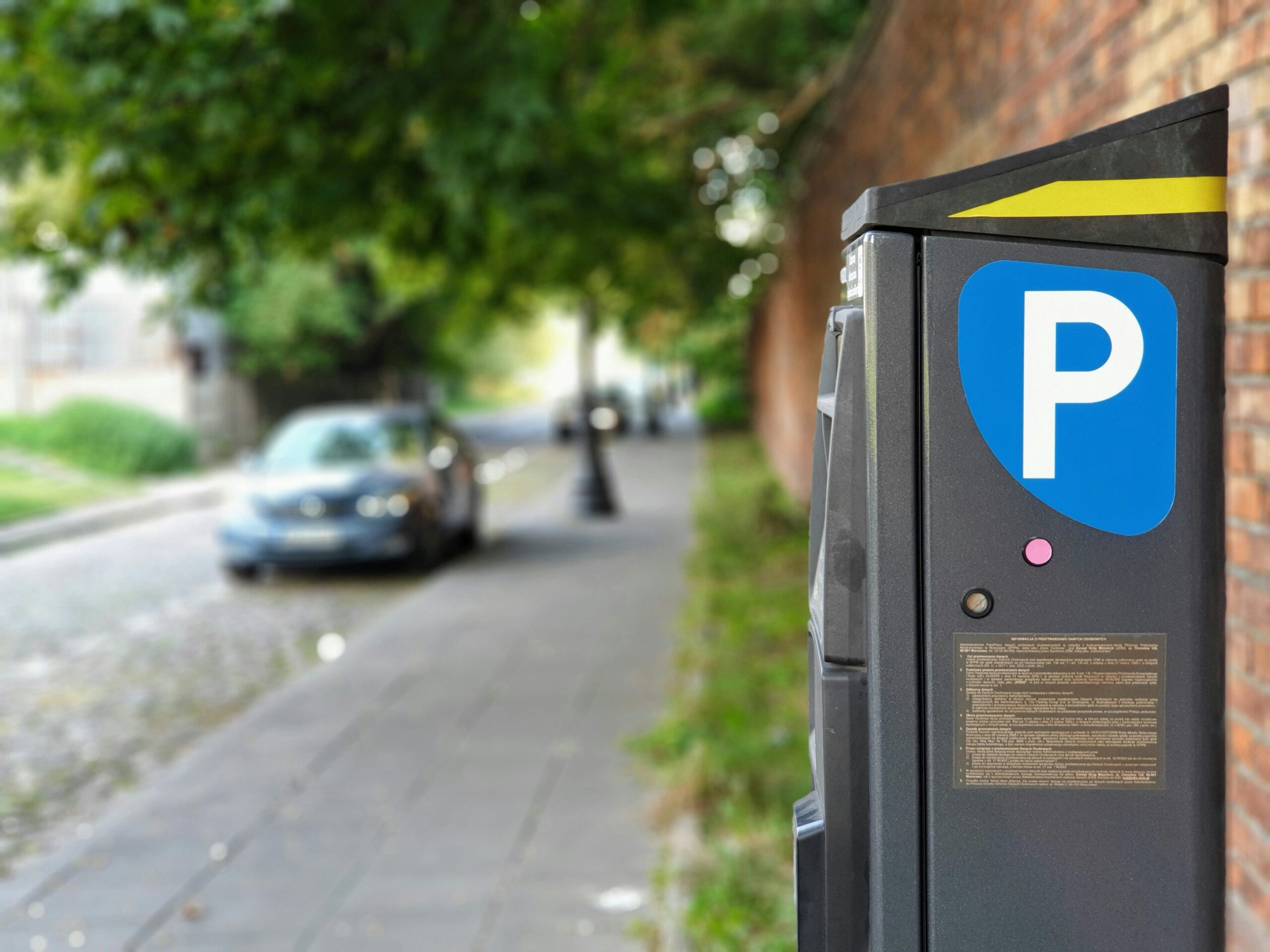
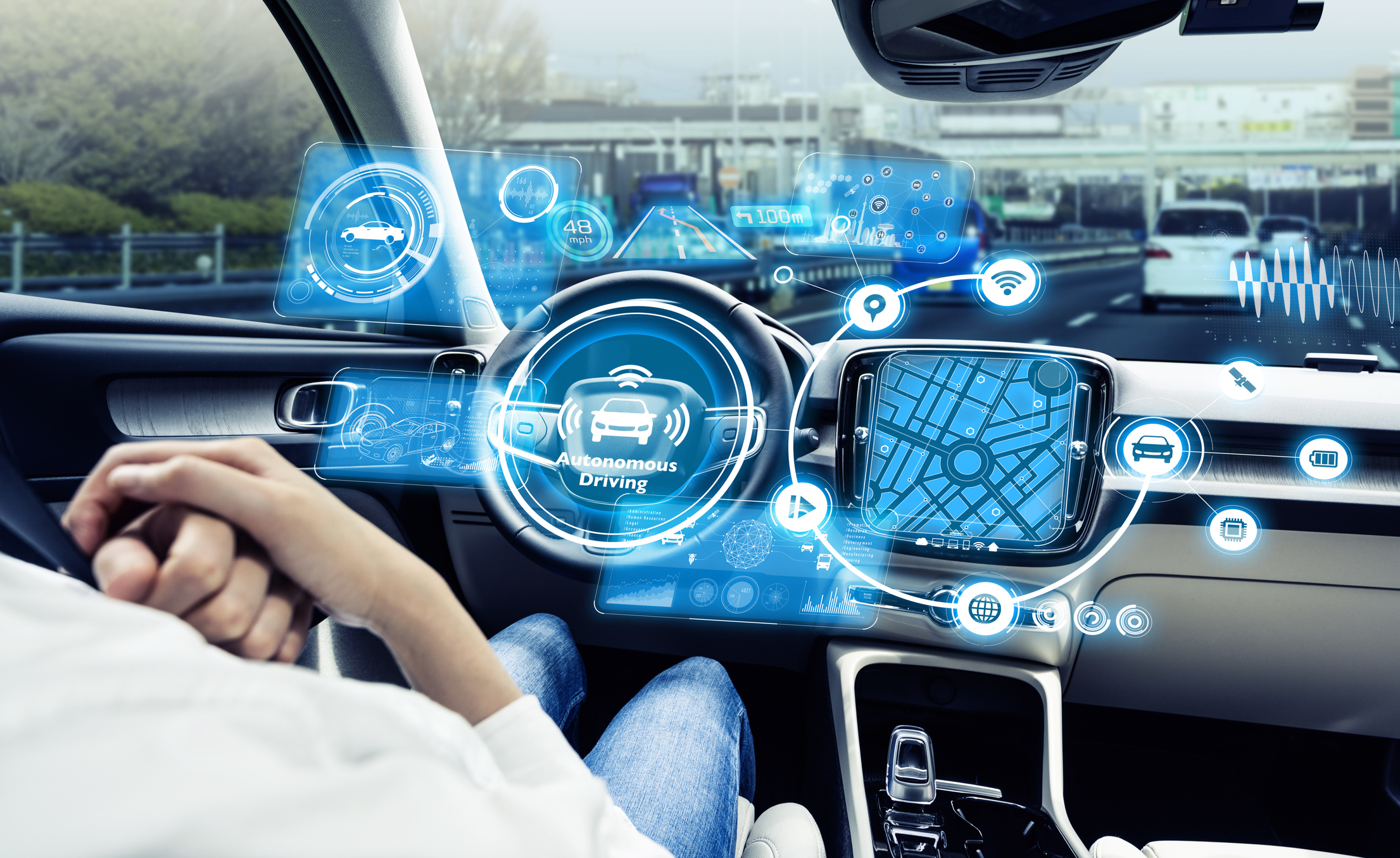
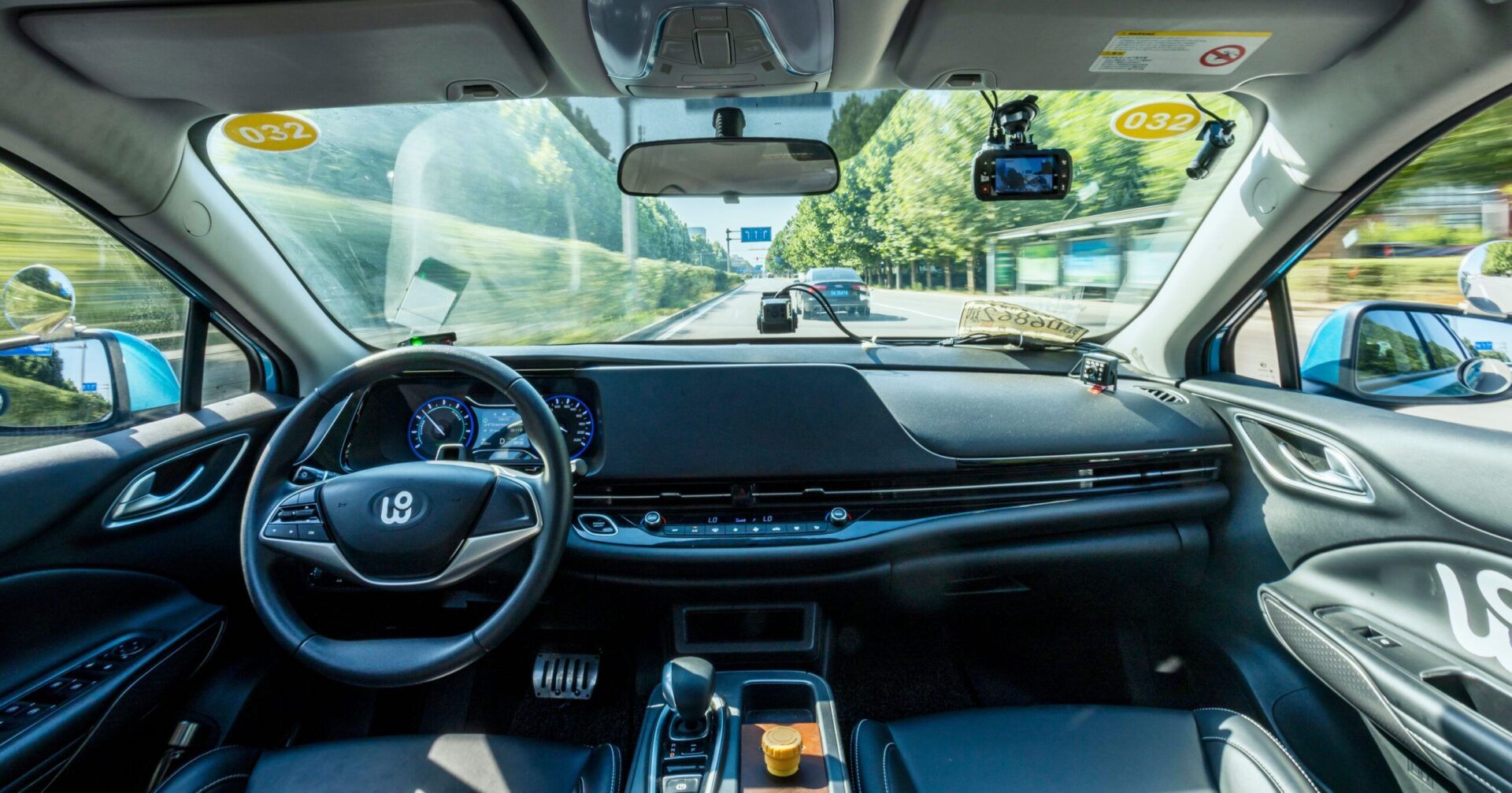
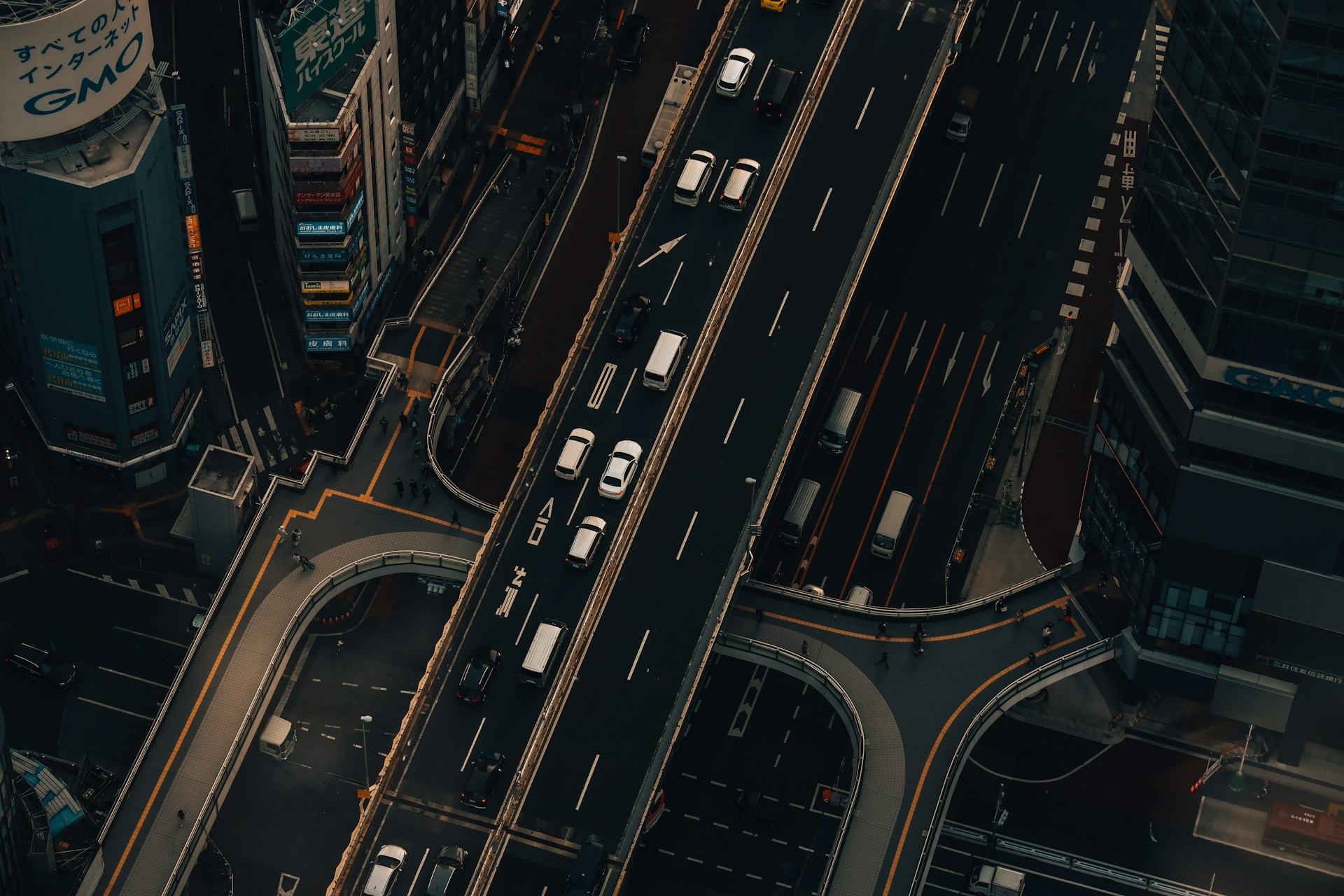
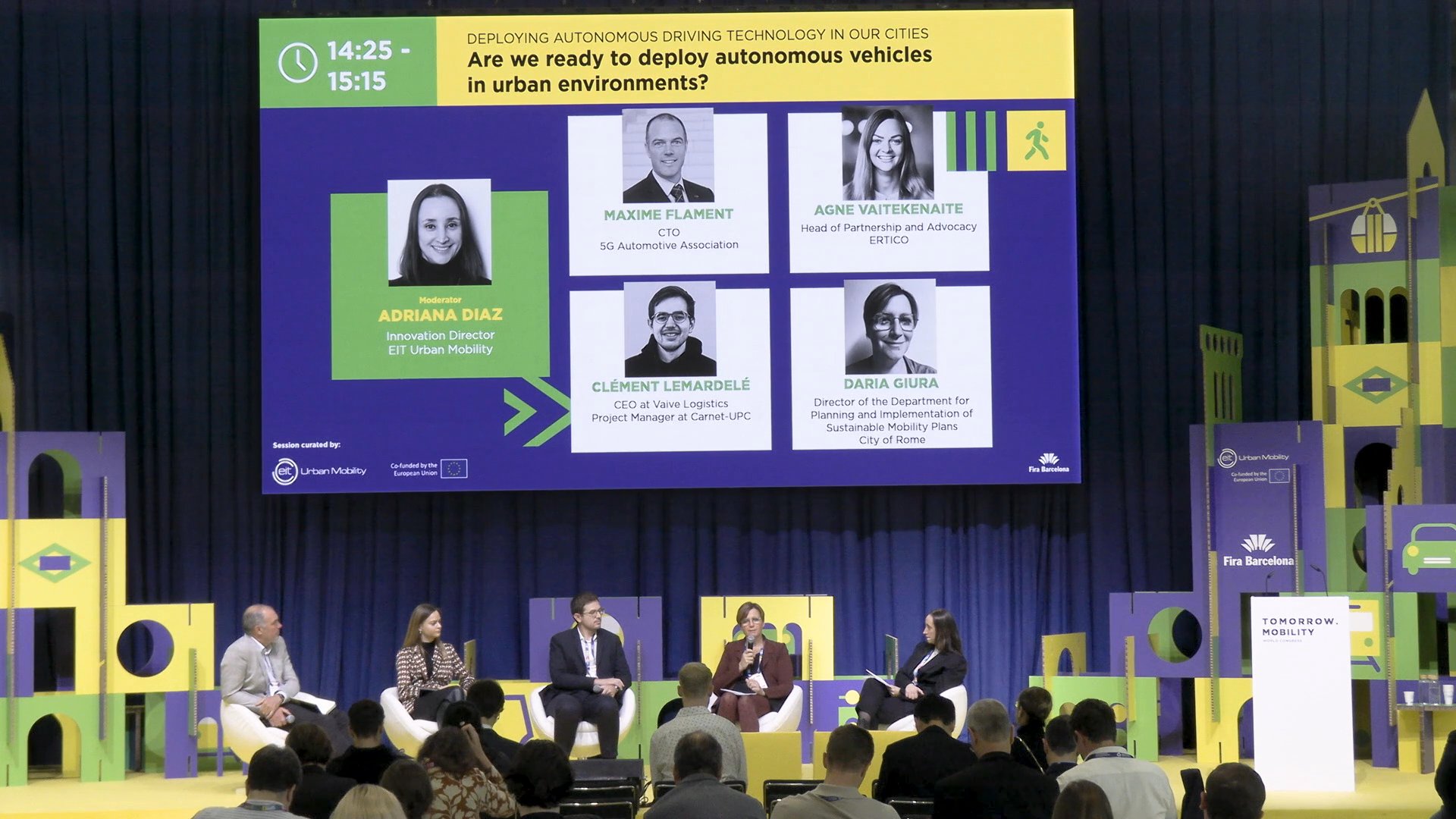
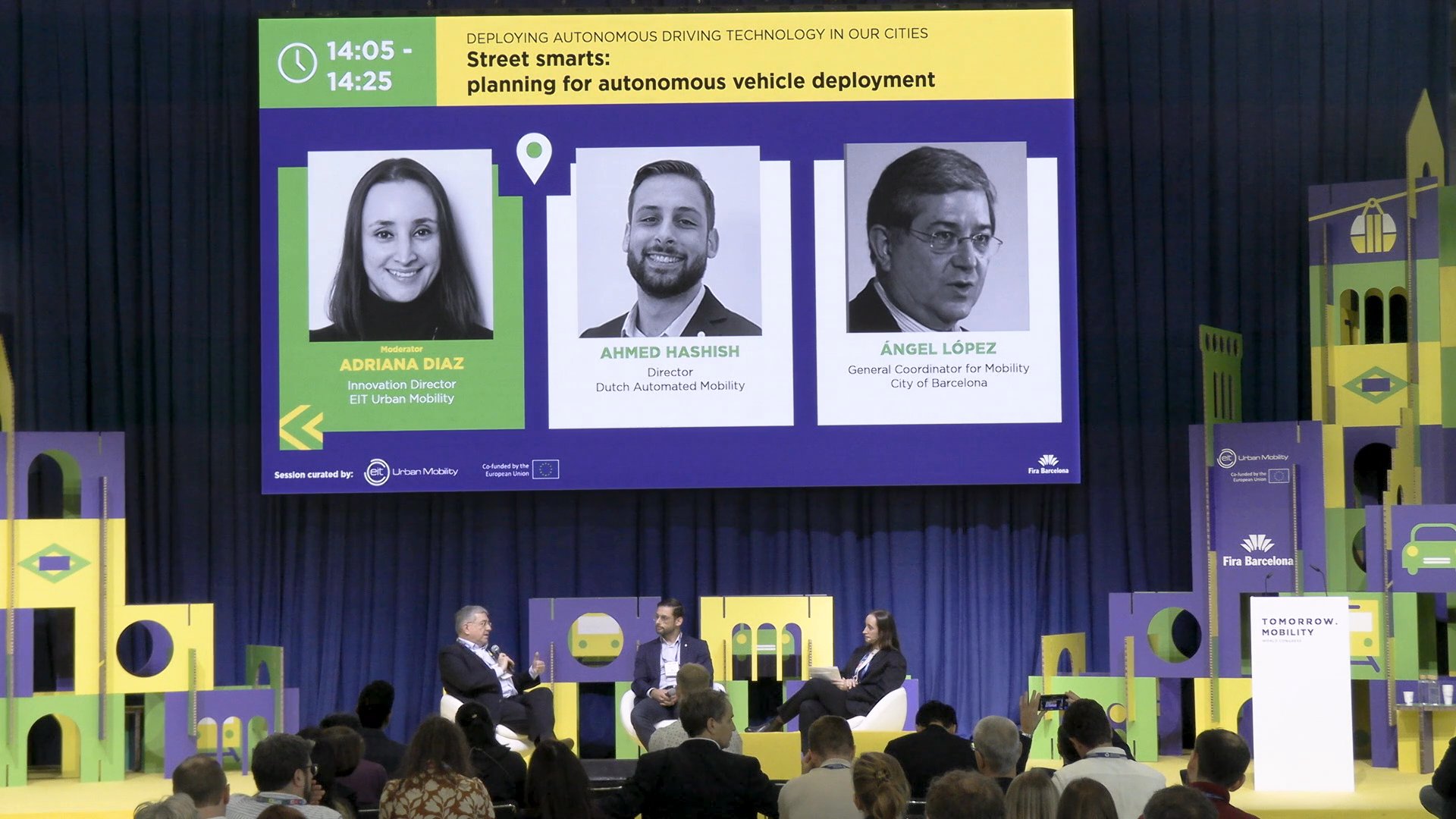
Smart traffic signals and parking spaces could help to reduce congestion. In the future, autonomous driving will be of great help as it will keep traffic flowing at a steady pace, although it may not be the miraculous solution some expect.
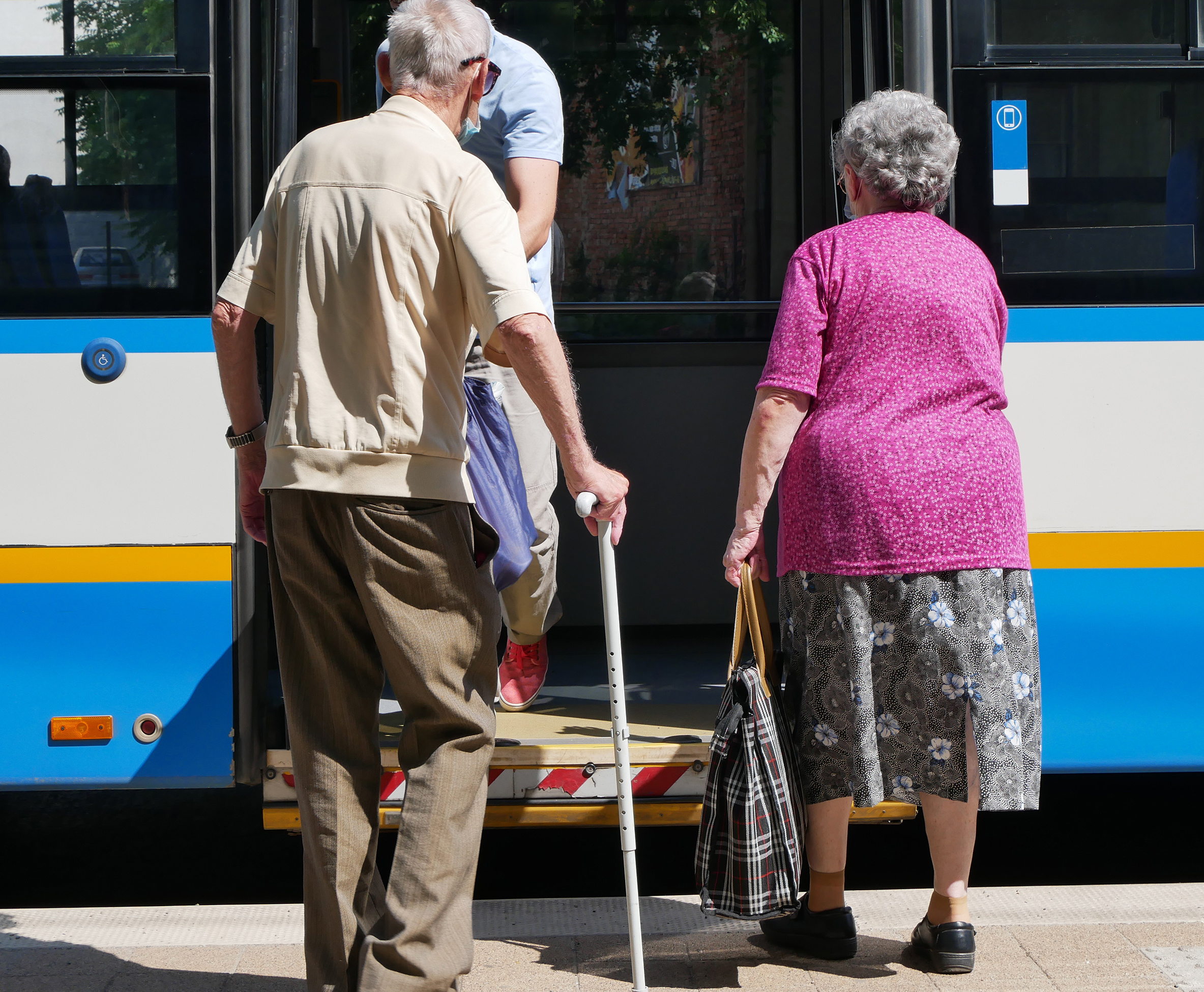
Improve inclusiveness
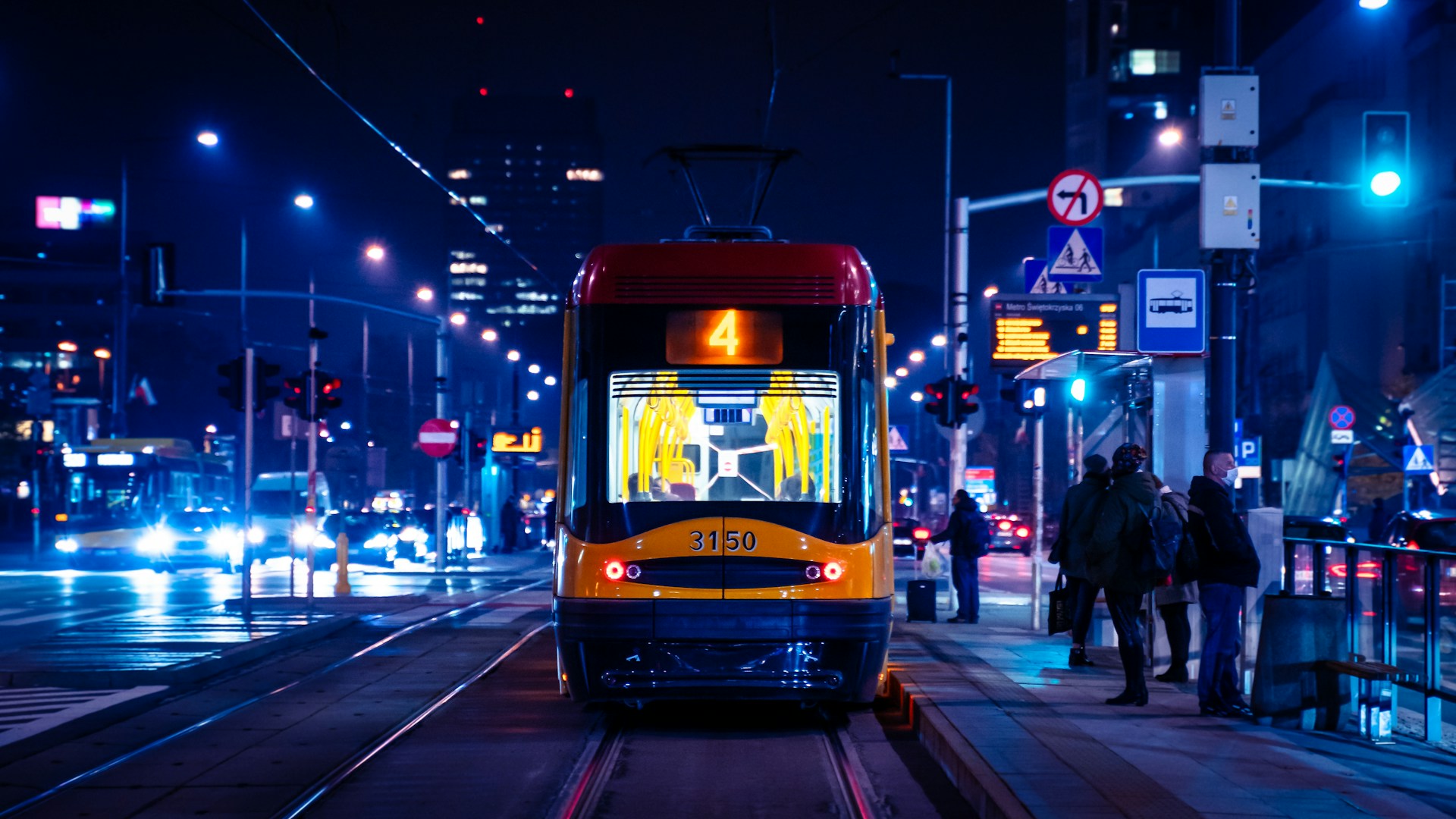
If cities are for people, so should transportation. Public and private schemes should allow for the elderly and persons with special needs. Lower income brackets should also benefit from affordable transportation, allowing for cheaper access to distant educational facilities and new work opportunities.