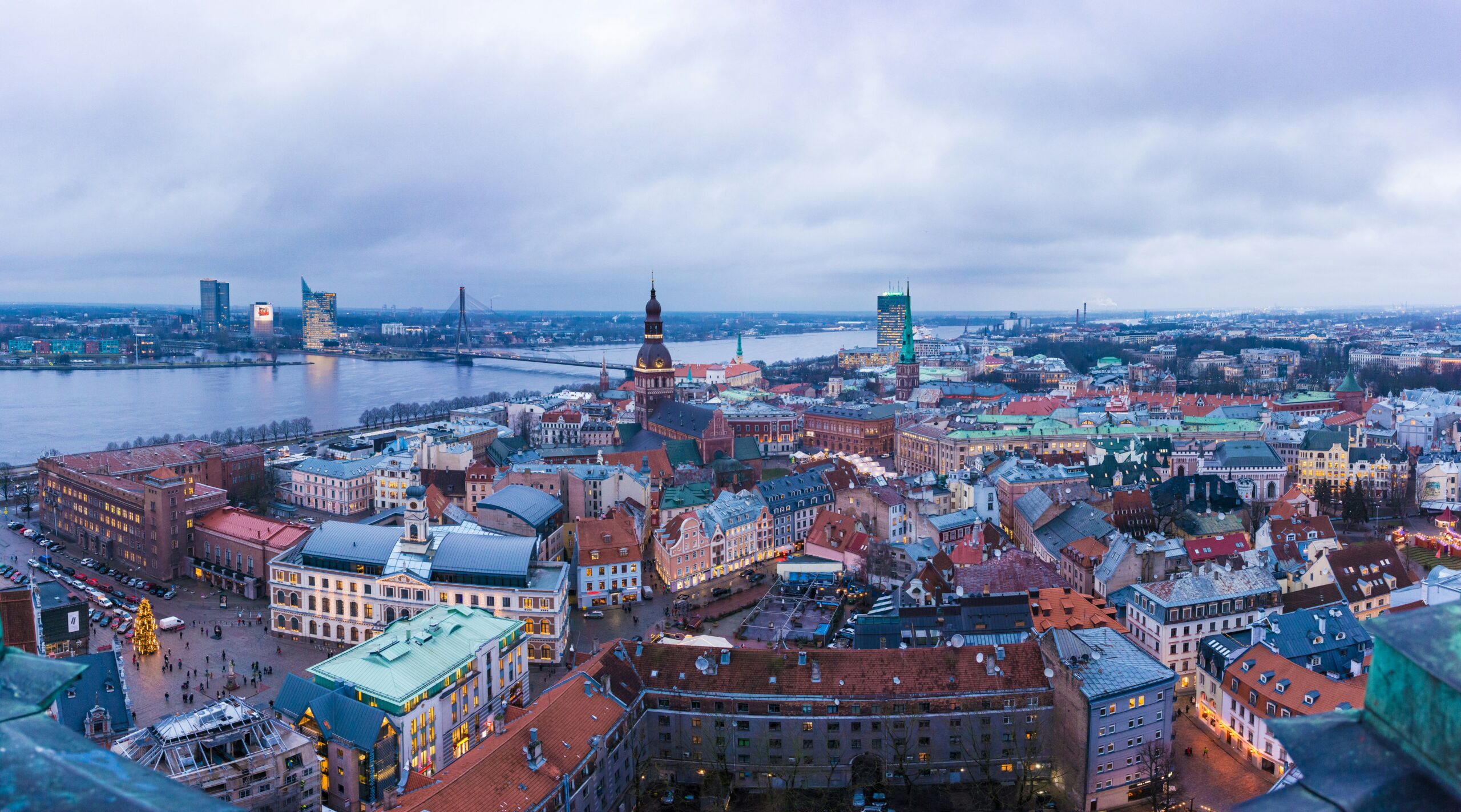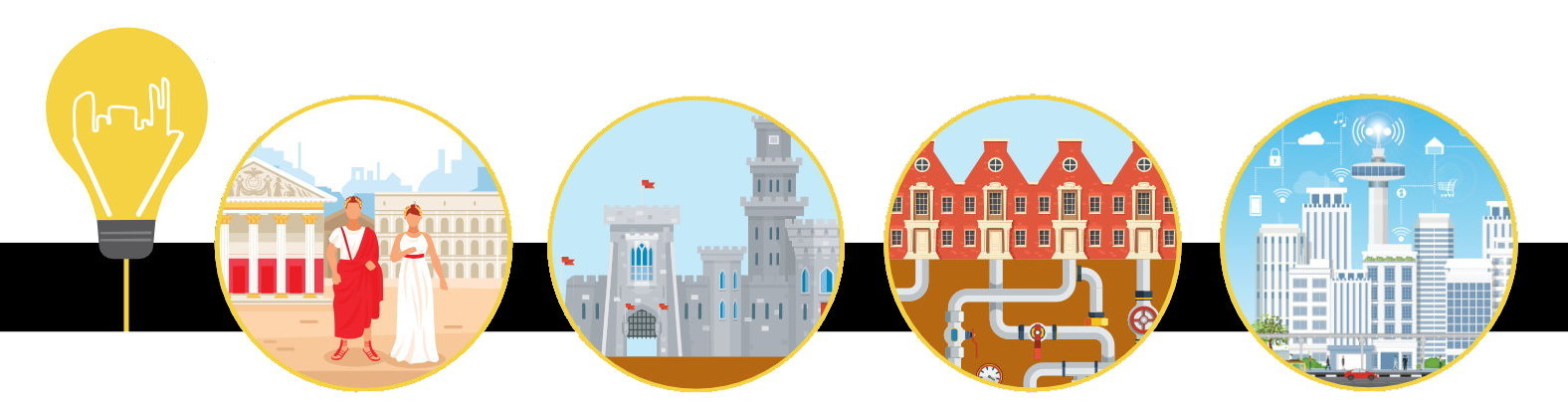




The concept of the perfect city has evolved through history, but in many ways, its core basics remain unaltered.
Temples, providing divine protection
Frequent in ancient times, temples were built in order to be on the good side of the gods. Future favors depended on how many temples were built and the interaction with the faithful.
The relevance of public services
Baths, circuses, theaters, aqueducts, the sewage system, large avenues… Quality of life depended on public services that were not always available.
Walls: the bigger, the better
For centuries, the walled city was the utopia for many kingdoms. The perfect city was the one capable of resisting a siege.
Rational cities, at last!
Fully developed during the Age of Enlightenment, avenue urbanism gave birth to a new city that didn’t need walls.
One household, one gas pipe
The Industrial Revolution brought gas as a source of energy into our homes. The new "smart home" used gas for everything: from heating to coking and even lighting. Fires were assured.
Then came the traffic lights
The rise in vehicle traffic forced cities to rethink their road model. Innovations such as traffic lights and wider roads were the solution.
Sky is the limit
Steel and concrete made building skyscrapers much easier. Cities could look at the world from above, and keep setting new records.
Urban electrification
Electricity soon replaced gas as the main source of energy. Now the smart home was the one powered only by electricity. We began to dream.
Twice the lanes is not enough
The rural exodus made cities grow exponentially. The response was to add more lanes to our roads. Soon, even 14 lane highways were proposed, only to discover that this was not the right solution.
Sustainable cities
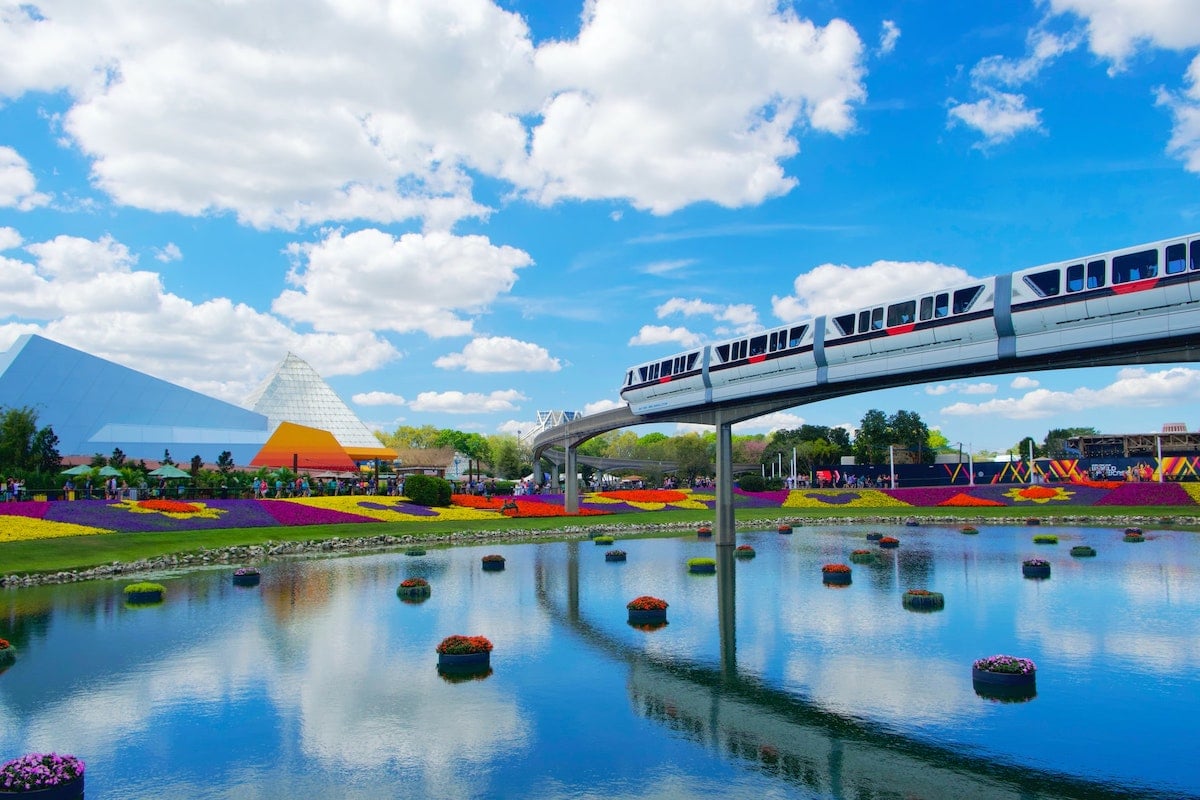
Goodbye, cars. We were wrong: the private car was not the way to go. We embraced higher urban density and public transportation as the right way to reduce our cities’ carbon print.
The smart city
Filling our cities with sensors has brought to life an incipient AI that can manage city services more efficiently.