



Table of Contents
Author | Lucía Burbano
The deployment and level of sophistication of technology can be an ally for cities, but also a risk if it falls into the wrong hands or its limits are not clearly defined.
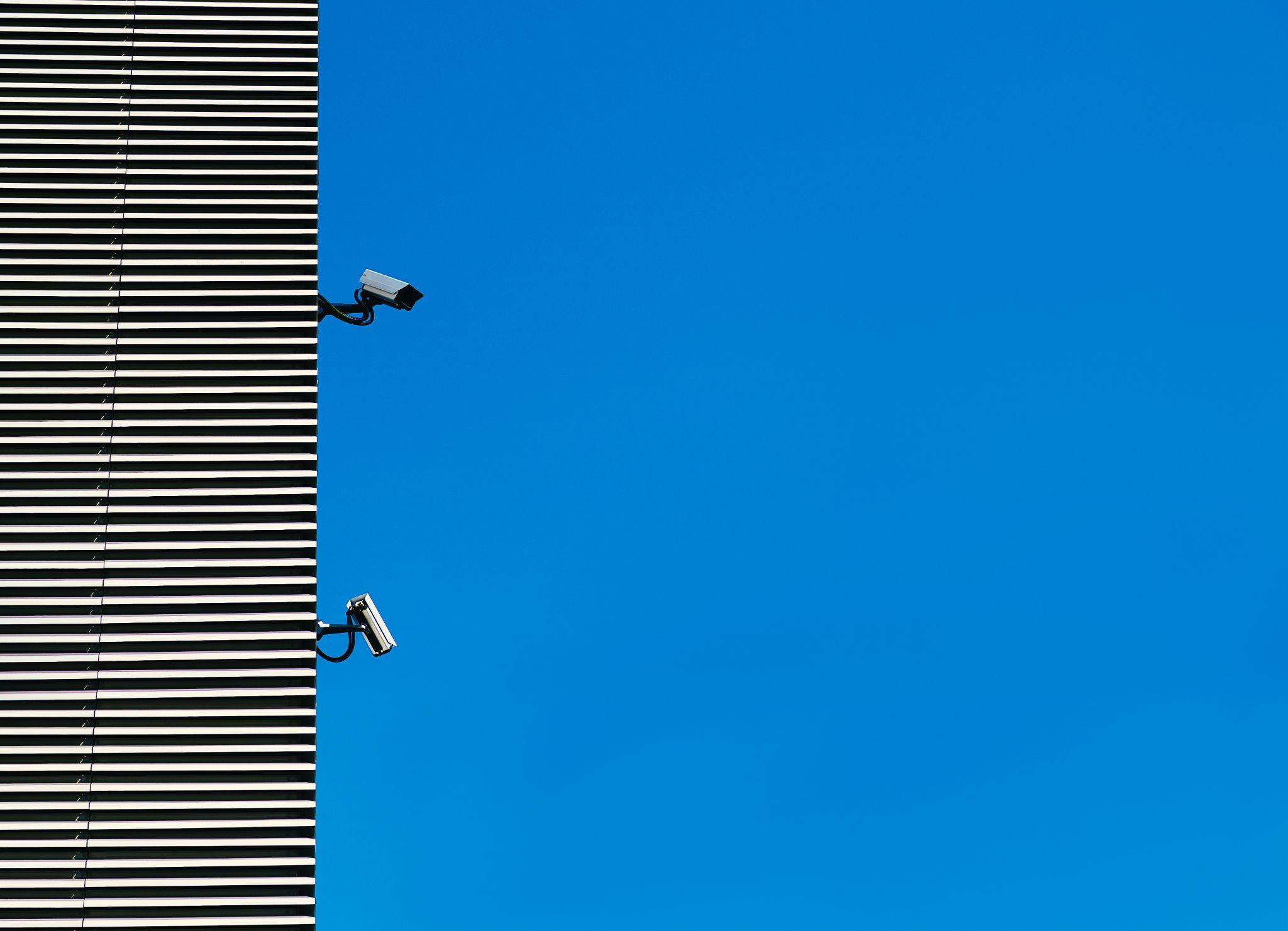
A paradigmatic case is CCTV (Closed Circuit Television) or video surveillance technology, used increasingly in cities to obtain diverse data, and the management of which is somewhat controversial.
According to Statista data, which collects statistics on the use of video surveillance in 150 of the world’s most populous cities, China dominates the top 20 of the list of cities with the most CCTV systems installed. Taiyuan tops the list with 117 cameras per 1,000 inhabitants.
India also has a significant video surveillance presence, with Indore occupying the fourth position, Hyderabad the twelfth and Delhi the sixteenth position. London is in third position, with 73 cameras per 1,000 inhabitants.
The case of three cities in the top 10
Hyderabad
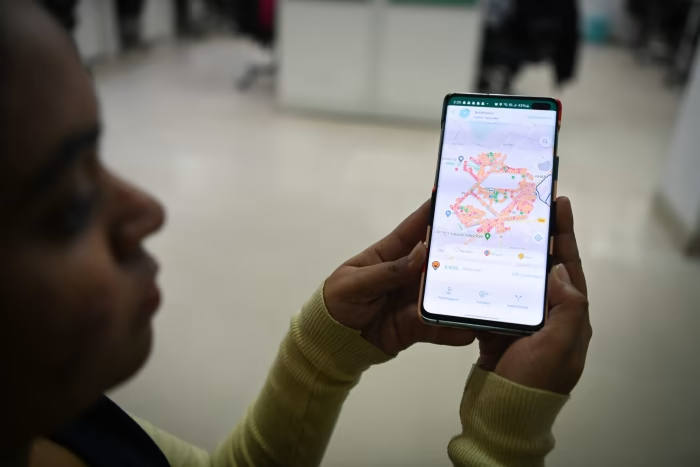
With 36.52 cameras per 1,000 people in 2021, this city with a population of approximately 7 million, is one of the most surveilled cities in India. This strategy involving the mass installation of CCTV cameras began in 2013, coinciding with a terrorist attack in the city.
The authorities associate video surveillance with a drop in crime. Jewelry theft, for example, dropped from 1,033 cases per year to fewer than 50 after the installation of CCTV cameras.
London
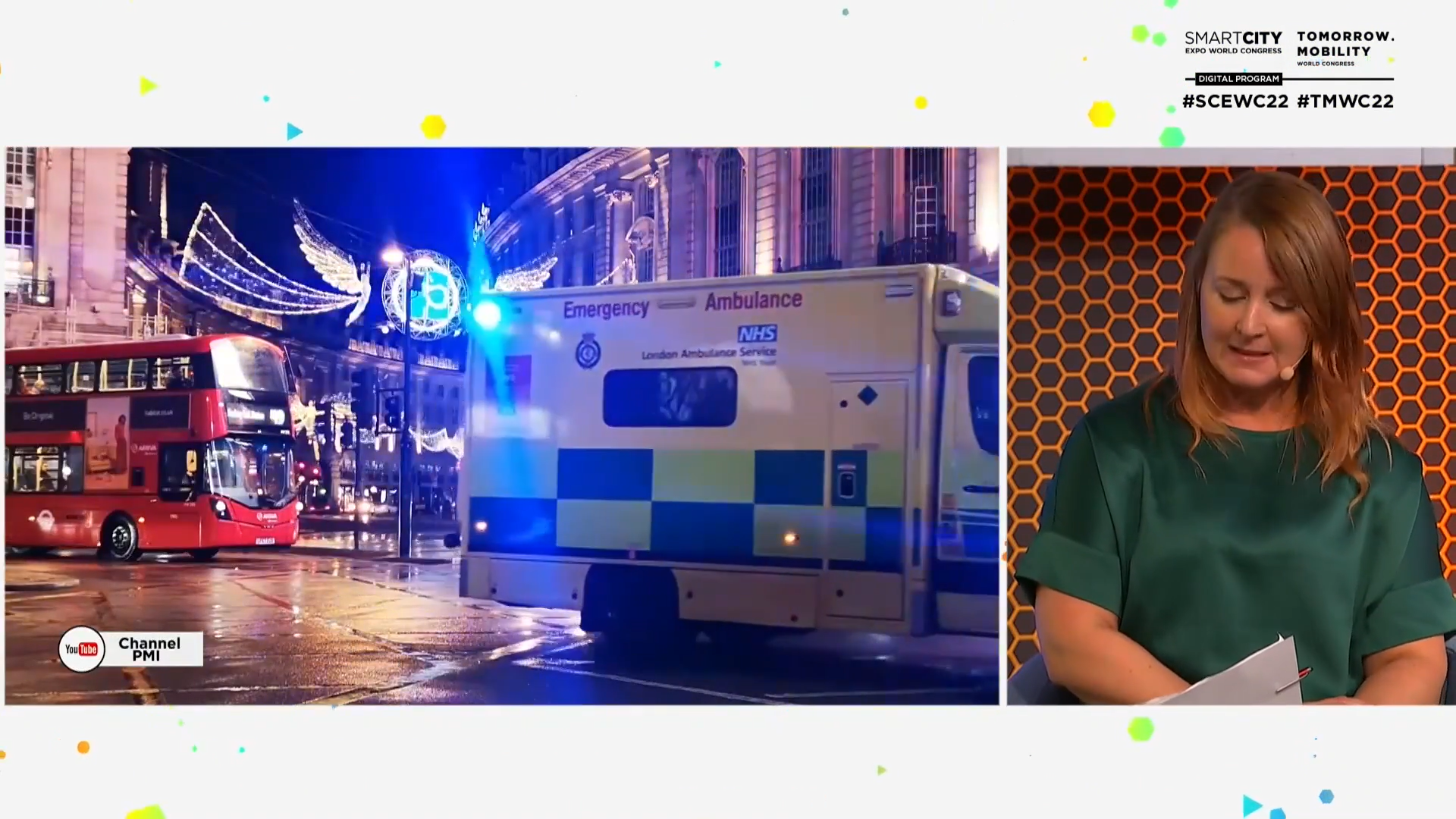
The UK capital hit the headlines in 2020 when it announced that it would use video surveillance cameras for live facial recognition which, until then, had only been used in China. The measure, implemented as an additional solution in the prevention of terrorism, generated significant discussion, which has existed practically since the installation of the first cameras in Trafalgar Square back in the 1960s.
Beijing
It is estimated that half of all CCTV cameras installed in the world (around 1 billion), are located in China. We have highlighted Beijing, but really, we should talk about the country as a whole, since this strategy has been applied by the government nationwide. Controlling the population? It is a complex issue.
Controversy surrounding video surveillance.
The deployment of CCTV applied in smart cities basically fulfils two functions; to increase the feeling of security and collect data, for example, traffic data, which contributes to greater and more efficient management.
However, and this is particularly significant in facial recognition cameras, the issue of the processing and management of private data of those filmed is a delicate issue since it is not 100% accurate.
Some cities and countries have laws and regulations in place for video surveillance Others have changed their mind, such as New Orleans which, in 2020, approved a law banning its police department from using facial recognition software, which it changed in 2022; police officers can now request permission from a superior to use this technology to investigate violent crimes.
AI and CCTV, the trend of the future
The evolution of CCTV, called IVS (Intelligent Video Surveillance), adds the artificial intelligence component, which allows, among other sophisticated features, the following to be monitored:
● Tripwire: define a line along a set direction which, if crossed, will active an alarm.
● Face detection within an image.
● Detect abandoned objects during an established period of time.
● Launch a warning if the camera has been covered or moved and generate an alarm.
The installation of video surveillance devices in cities is far from slowing down. The key to peaceful coexistence with citizens is to establish limits through legal instruments.
Photos | Unsplash/Arthur Mazi