



Table of Contents
Author | Jaime RamosThe integration of artificial intelligence and robotics are one of the greatest achievements of human beings this century. This form of superior intelligence designed by Man, capable of learning and taking on any task, more than exceed the skills of its actual creators. However, it is still in the very early stages, therefore it is difficult to reliably assess the potential benefits.The development of robotics attracts both catastrophic visions and hopes for a better world. According to the study The Good Robot, conducted in the United Kingdom, 60% of British people believe there will be a robot in every home within the next 50 years.The research project transmits optimism in terms of the role of robots. Accordingly, 27% of the survey respondents believe that robots will save us time, 38% believe they will help us in our social relationships and interests, while 13% believe they will help us combat loneliness.
Japan wants to be at the forefront of the robot industry
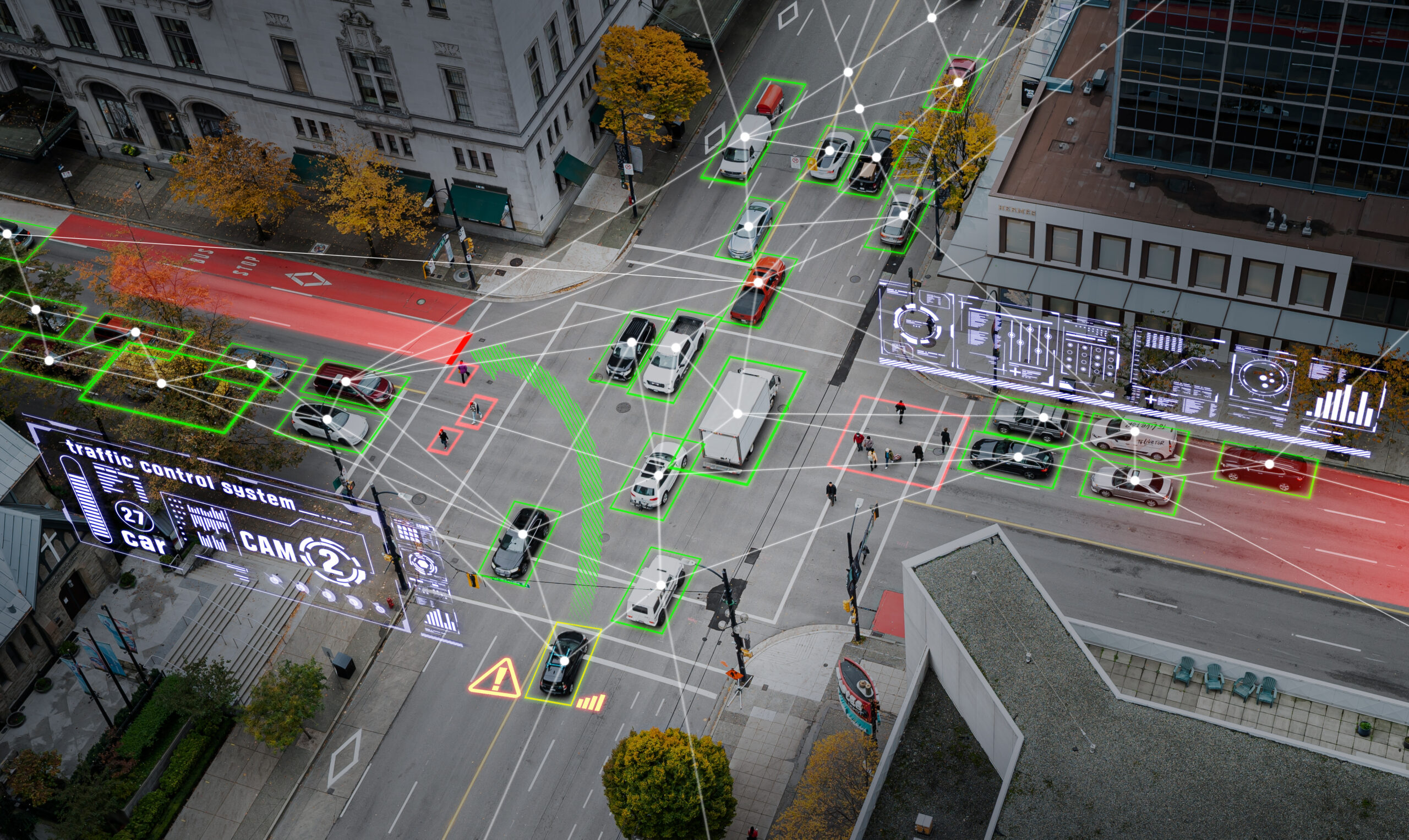
The truth is, there are already countless examples of how robots are already present in our cities. Their intelligence can be found in its most abstract version in terms of contributing to the improvement of habitability or in the management of energy resources. However, we are already seeing a side of robotics that science fiction has been predicting for years.One country, Japan, and one city in particular, Tokyo, seeks to lead the way in this revolution. Achieving this mission justifies the existence of a specific department: the Robot Revolution Realization Council. The city will show the world its results in the next Tokyo Summer Olympic Games in 2020.The Japanese government itself recognises these intentions to make Japan the first society to integrate robots into all sectors of the economy, changing the concept of public services in cities. A sample of what lies ahead can be found in the “robot attractions” offered by Tokyo. For a modest sum of money, people can experience what the future will be like in 90-minute tourism shows.
Police robots: Dubai uses them
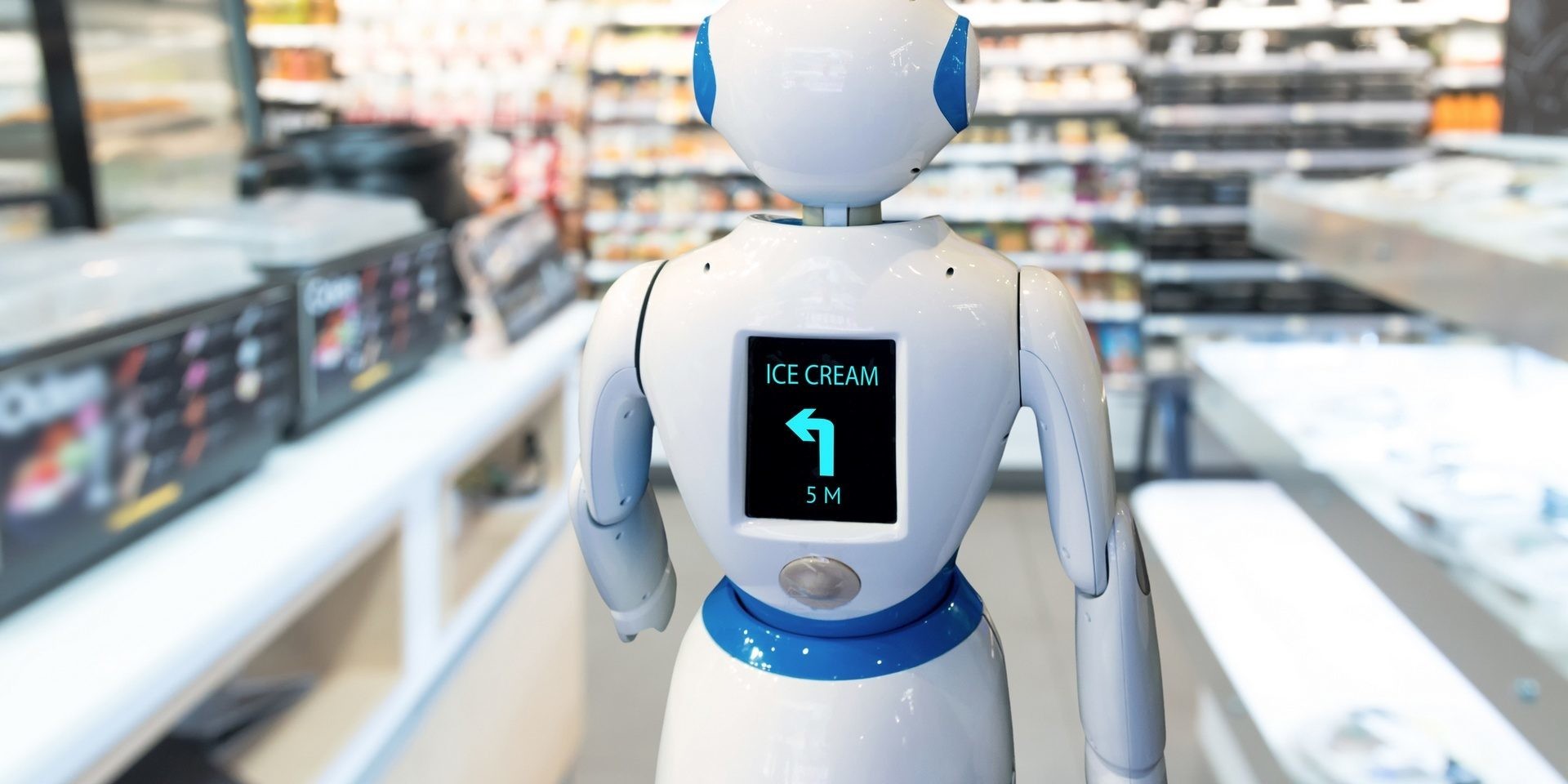
The dystopia we saw in Paul Verhoeven’s film Robocop (1987) is closer than ever, albeit, not so aggressively. The Dutch director also made a “mistake” in terms of the place in which it would first occur. It will not be Detroit, but Dubai, that will have the first operational robot policeman.The local authorities have indicated that the aim is for 25% of the city’s police force to be robotised by 2030. However, they do not intend to replace 100% of the human workforce or, at least, not in all their functions. People will be able to communicate with Dubai’s robot police officer through a touchscreen embedded in its chest.This will enable them to submit complaints, pay fines or request relevant information about the city and its services. The robots, in their police and public service duty, can offer more services than any police officer. They will be available 24 hours per day, and they will record everything that goes on around them.
Singapore and its robotised hotels
Another example of how robots are revolutionising some urban services can be found in some hotels in Singapore. In these, robots are carrying out tasks such as room and delivery service. In some cases, they are capable of saving establishments around 19.3 hours of work per day. Other smart cities will soon follow in Singapore’s steps.The question with robots, whether these are for service, assistance or security purposes, is defining the role they will play in the cities of the future. And, of course, what will happen to the data they capture while working. But that is another issue.Images | PhonlamaiPhoto, JIRAROJ PRADITCHAROENKUL, miriam-doerr