



Author | Lucía Burbano
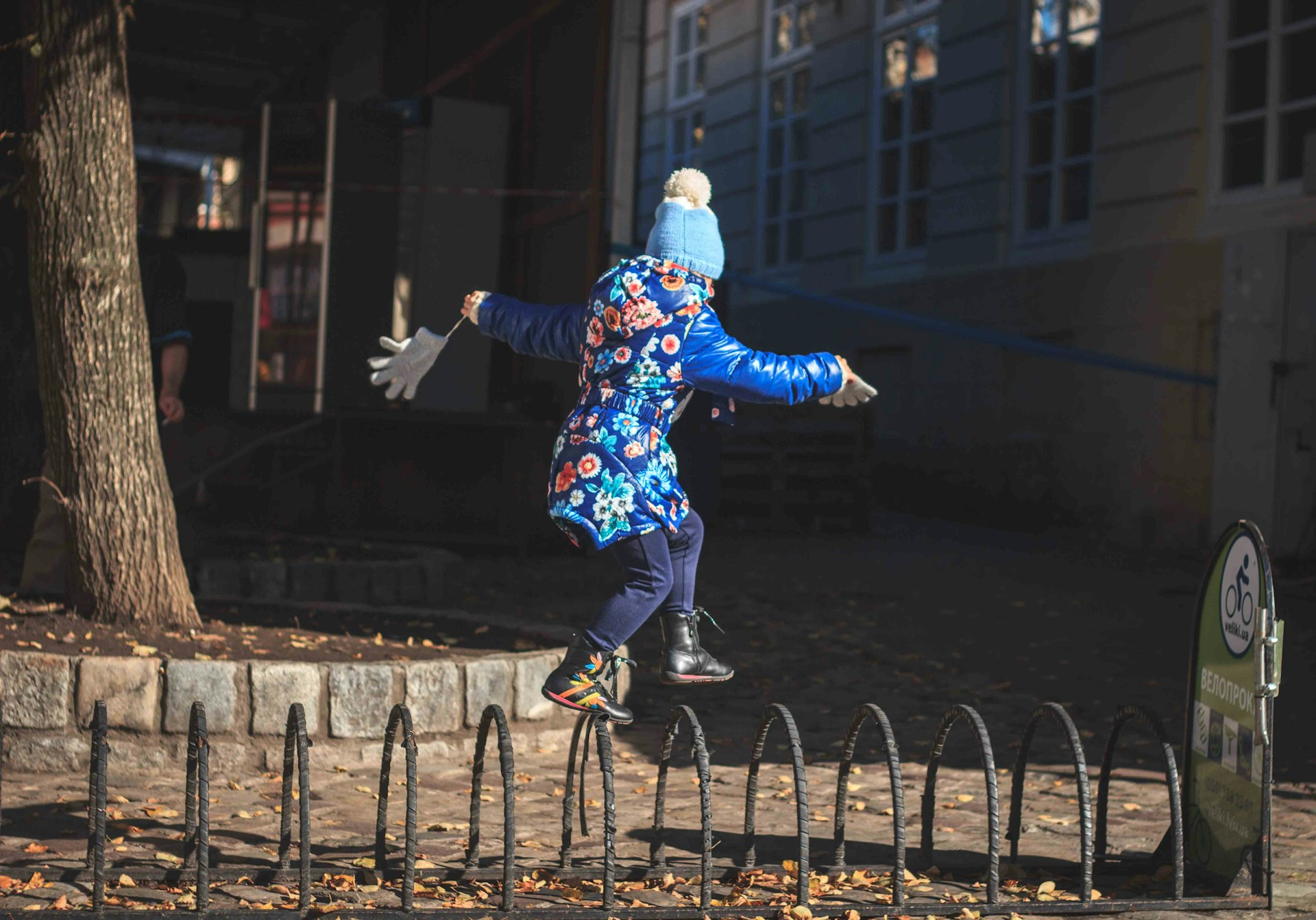
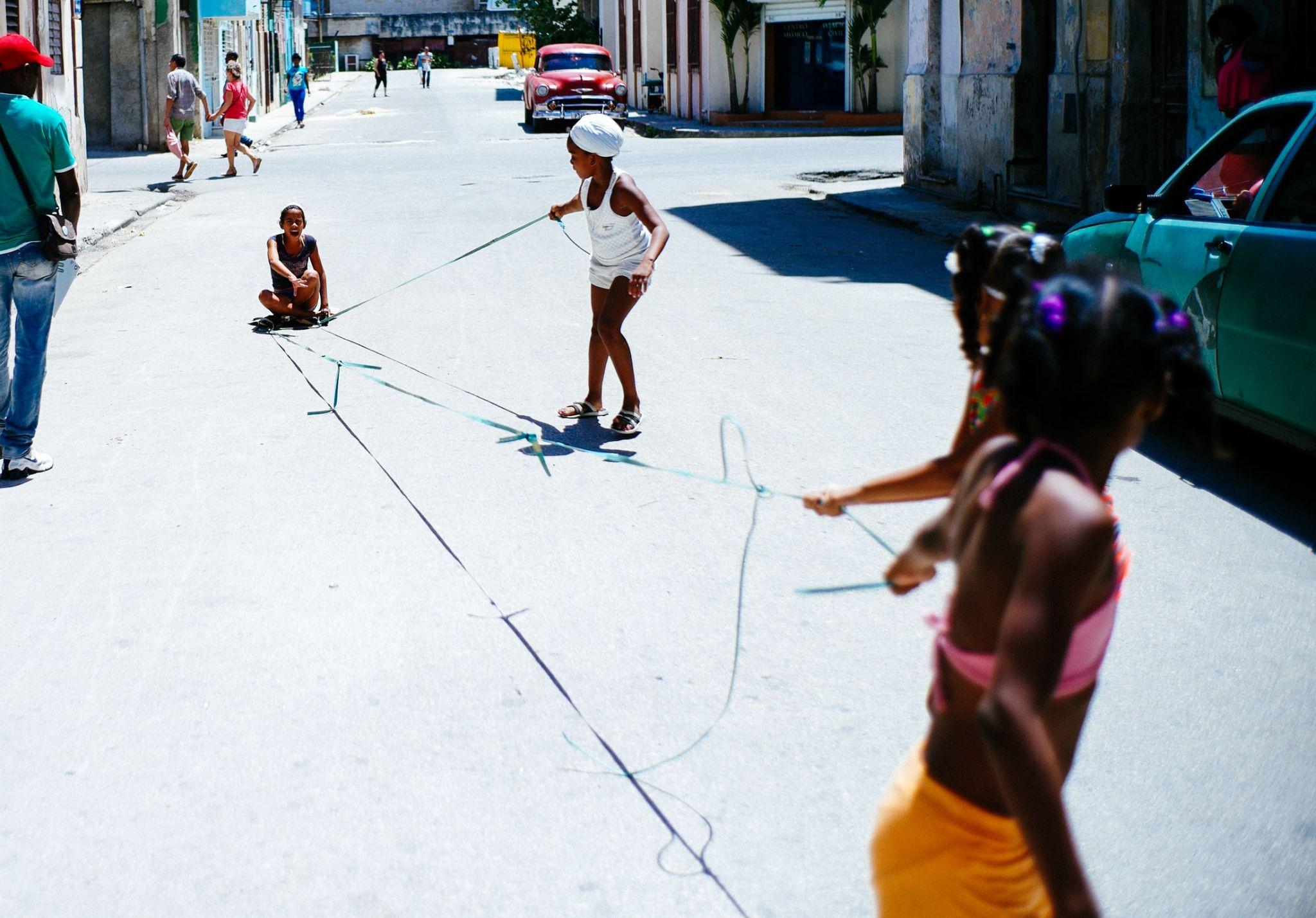
There is a somewhat overused expression that refers to ‘the good old days’. Although this may be true, there are times in which nostalgia is more than just an artificially sweetened image. In terms of childhood, a Save the Children study on the differences between street play indicates that children from the baby boomer generation spent 71% of their time playing outside compared with 27% today.
What can cities do to provide more spaces and leisure time for children?
Play is not a game
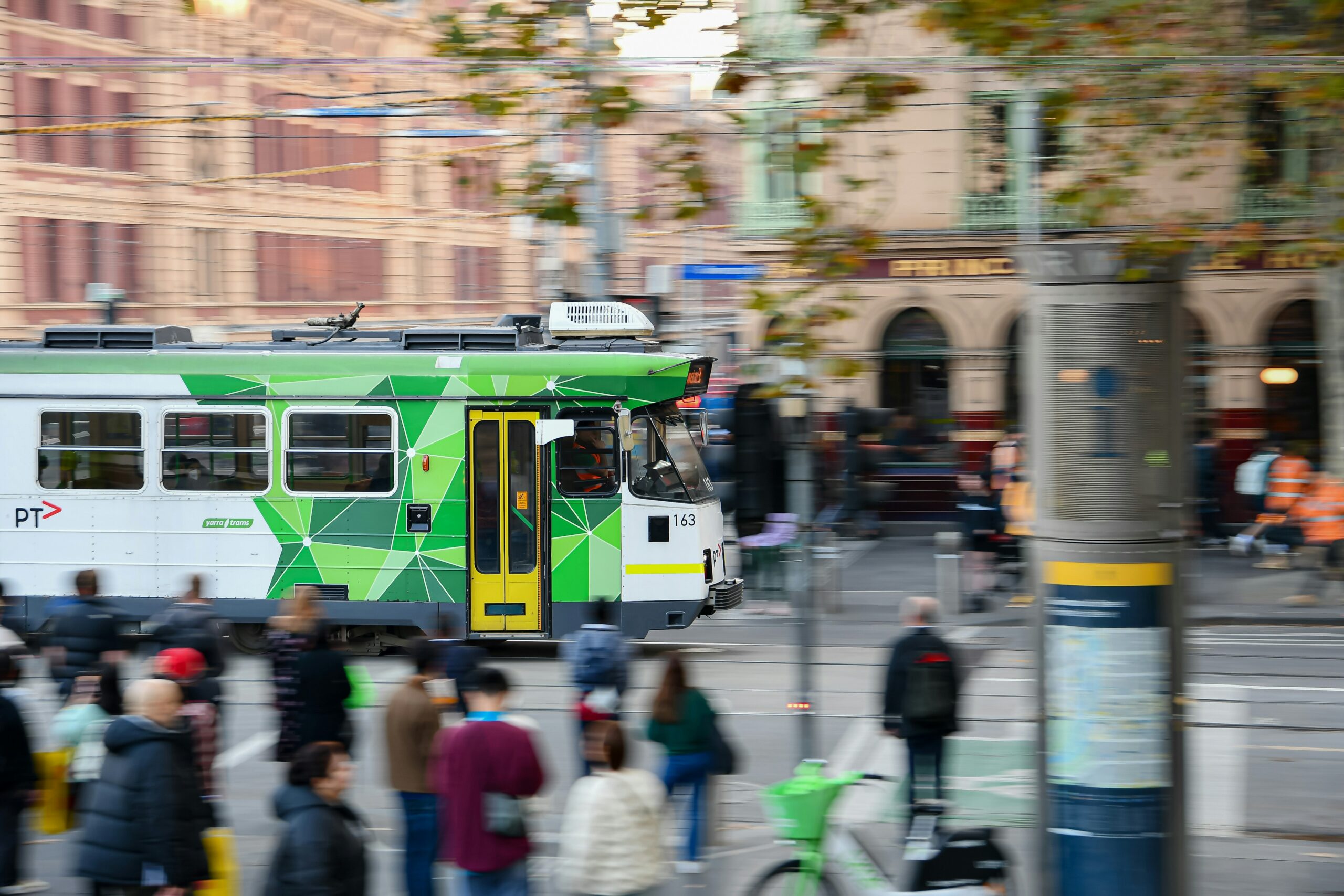
Concrete, public spaces with no shade, narrow sidewalks and congestion. This description could be applied to many cities and it does not exactly encourage children to play. Play is a serious thing. It helps children build friendships, learn to negotiate, it is independence and freedom.
According to ‘Reclaiming Play in Cities’, a report, by Real Play Coalition, there are five key areas of children’s development linked to play — physical, creative, social, emotional and cognitive The text also outlines a methodology called Urban Play Framework, which provides tools to understand how the diverse urban systems influence children’s learning though the playing experience.
Architects, engineers, institutions, organizations and associations are promoting initiatives, many in collaboration with children themselves, so they can feel part of cities that they too belong to.
Urban strategies to incorporate play areas
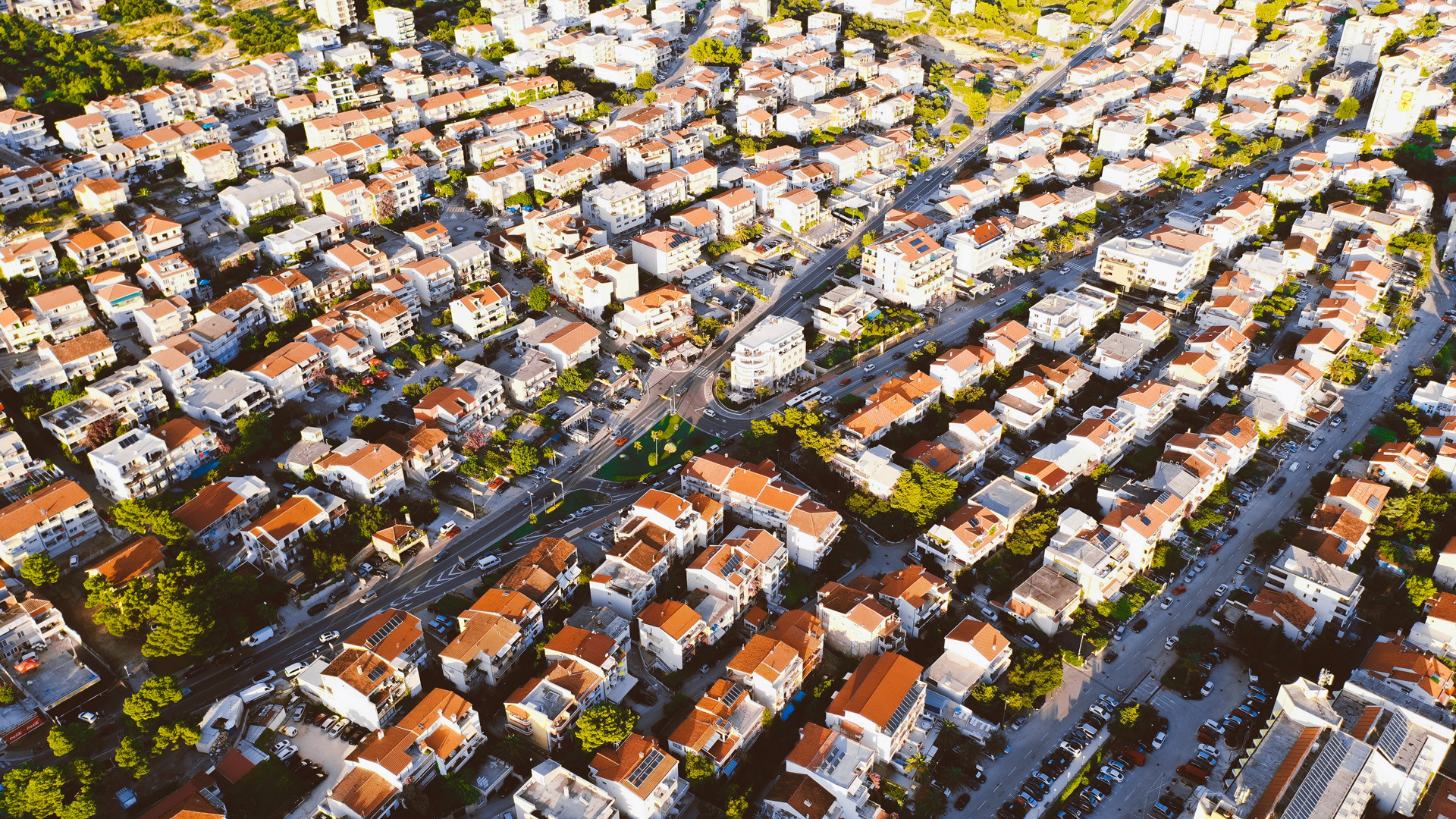
If well-designed, urban landscapes could provide the ideal setting for a whole host of adventures that nurture children’s innate curiosity in a safe environment. There are numerous tools and projects to prove that designing with children in mind is possible.
Playful Cities Toolkit
This practical guide prepared by the engineering firm Arup in collaboration with the Lego Foundation and Real Play Coalition, offers resources for local governments, urban planners and local communities to understand the complexity of play in cities and guide the design of play-based interventions.
Real Play City Challenge
Created in 2020, this is an initiative that rewards proposals submitted by cities, professionals working in the urban arena such as urban planners, social innovators, schools, cultural managers, that successfully implement a playful placemaking initiative. The two winners get the chance to take part in workshops with IKEA, National Geographic, UNICEF or PlacemakingX to help them execute their project.
Cities designed for children

Tirana, a radical transformation
In five years, the capital of Albania has gone from having no children’s parks to having 54 across the city, more than one per neighborhood. Thanks to this and other initiatives, it won the 2021 Real Play City Challenge.
Singapore, games for all ages
Eighty per cent of the residents of Singapore live in public housing with recreational areas shared by three generations, open-air gyms and play areas that help build bonds between grandparents, parents and children.
Antwerp, children move about
The city has mapped how children go to school, where they play and where they meet up with friends. With the data they have collected, they will build a "play network" that pedestrianizes the routes normally taken by children and all the play areas, youth clubs and schools.
Montreal, road safety through play
In 2020, an unused parking lot near the center was redesigned to become the location of the "Jardin du Petit Monde à bicyclette", where children could take their own bikes or borrow one to learn good biking habits as well as road safety rules.
Istanbul, ‘pop up’ playgrounds
"HOP Pop-Up Playgrounds" are a series of fun activities temporarily organized across Istanbul, focused particularly on neighborhoods where children have fewer opportunities and spaces to play in the city.
Photographs | Unsplash/Cheung Yin, Unsplash/George Baker