



Table of Contents
Author | Elvira Esparza
Smart cities are safe and efficient because they integrate technology into their infrastructure, but they have learned that artificial intelligence is essential for making decisions in real time. The incorporation of AI into urban environments is driving a transformation in cities, taking them from the smart city model to the autonomous city, with the goal of enabling cities to operate efficiently and solve problems without human intervention. What will self-managing cities look like?
What is the difference between a smart city and an autonomous city?
A smart city can be defined as a connected city that uses data and technology to optimize urban services. Big data serves as the brain of smart cities. Their main objective is to improve citizens’ quality of life while promoting sustainability. To achieve this, they rely on sensors, data, digital platforms, and technologies applied to mobility, energy, water, waste management, public safety, and citizen engagement.
The difference between a smart city and an autonomous city is that an autonomous city uses artificial intelligence, operates automatically, makes decisions in real time without human intervention, integrates autonomous infrastructure such as self-driving vehicles, and is able to regulate itself.
Put simply, an autonomous city is the next stage in the evolution of the smart city, where automation replaces monitoring. The key difference lies in the degree of automation and decision making capability.
What role does smart governance play in the transition toward self-managing urban centers?
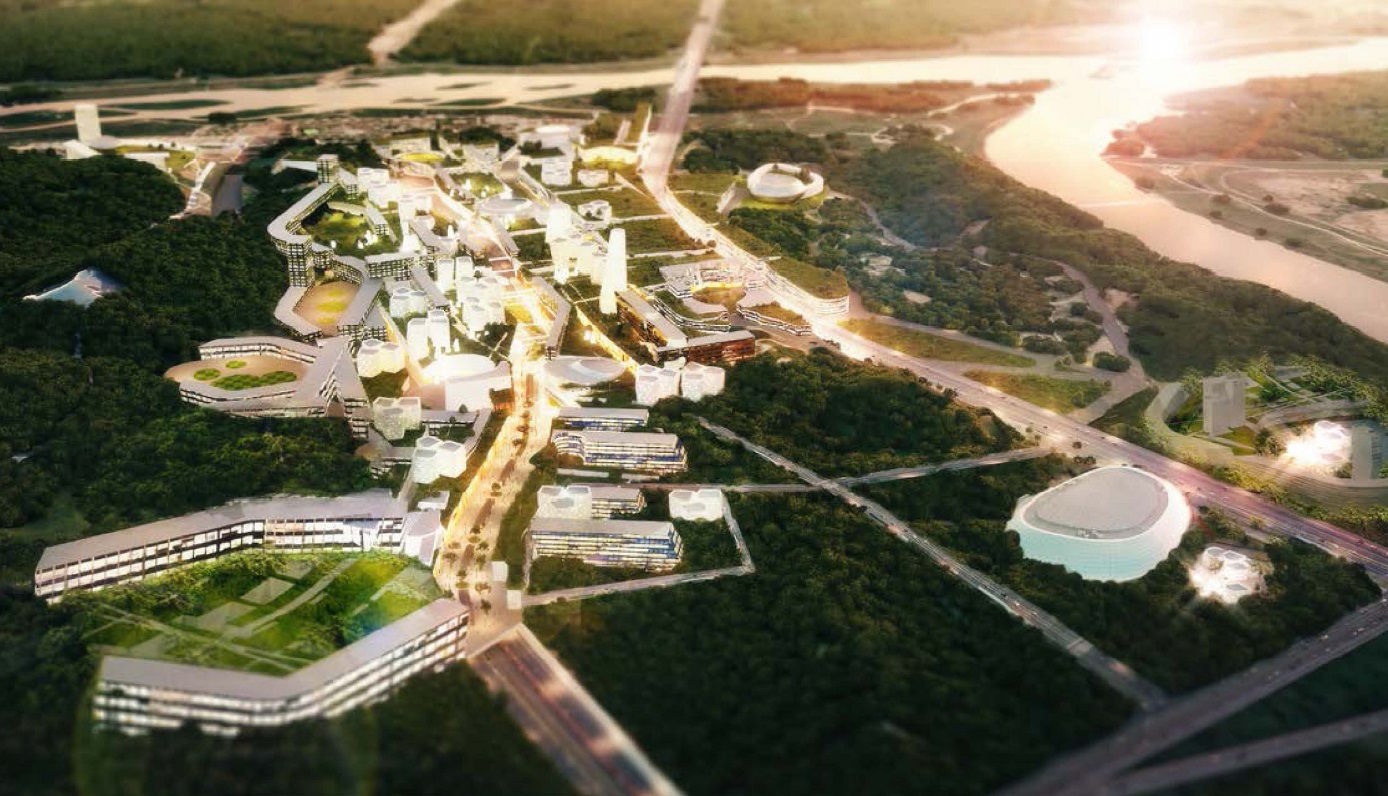
Artificial intelligence is evolving from automating city services to taking on autonomous roles in governance. Traditionally, technology in cities has been used to automate specific tasks, such as smart traffic lights or traffic monitoring sensors. However, AI now enables some of these functions to be managed autonomously. For example, in Masdar City, automated transportation systems such as the PRT, which follow predefined routes, have been supplemented by autonomous vehicles such as the Navya Autonom, which can determine routes in real time.
In addition, AI is beginning to perform functions traditionally conducted by humans in urban governance, including planning, service management, and policy development. For example, in water management, when a leak is detected, an autonomous city can automatically shut off the affected street valves and reroute the water supply through alternative pipes to prevent service interruptions. This means that AI can make decisions about how resources are allocated based on real time data.
What risks are associated with the development of autonomous cities?
The development of autonomous cities raises concerns that AI could reinforce urban inequality rather than promote equity and sustainability. Experts also point to other risks, such as the lack of transparency in decision making processes, since many decisions are based on algorithms, which can lead to a loss of human oversight. There is also concern that AI systems could operate according to values that differ from those of human society.
Finally, there is a legal and ethical gray area regarding responsibility when an AI system acts autonomously. For example, if AI manages traffic flow and an accident occurs, it may be unclear who is accountable. To address these challenges, governments and regulatory bodies are developing specific frameworks, such as the EU Artificial Intelligence Act.
What are the main cybersecurity challenges facing autonomous cities?
The main cybersecurity challenges include:
- Interdependence. Because all systems are interconnected, a hacker who gains access to one network, such as the power grid, could potentially disrupt multiple city services.
- Data manipulation. If sensors are compromised or fed false information, the autonomous city may make incorrect decisions based on inaccurate data.
- System hijacking. Attackers may infiltrate the city’s network, lock critical computer systems, and demand a ransom to restore access and allow city operations to resume.
- Lack of manual control. Since systems operate autonomously, one of the greatest challenges during a cyberattack is regaining human control and restoring normal operations.
Are there any examples of self-managed cities?

At present, there are no cities in which all services are fully self-managed. However, there are urban AI systems, often referred to as city brains, which can make autonomous decisions in specific sectors.
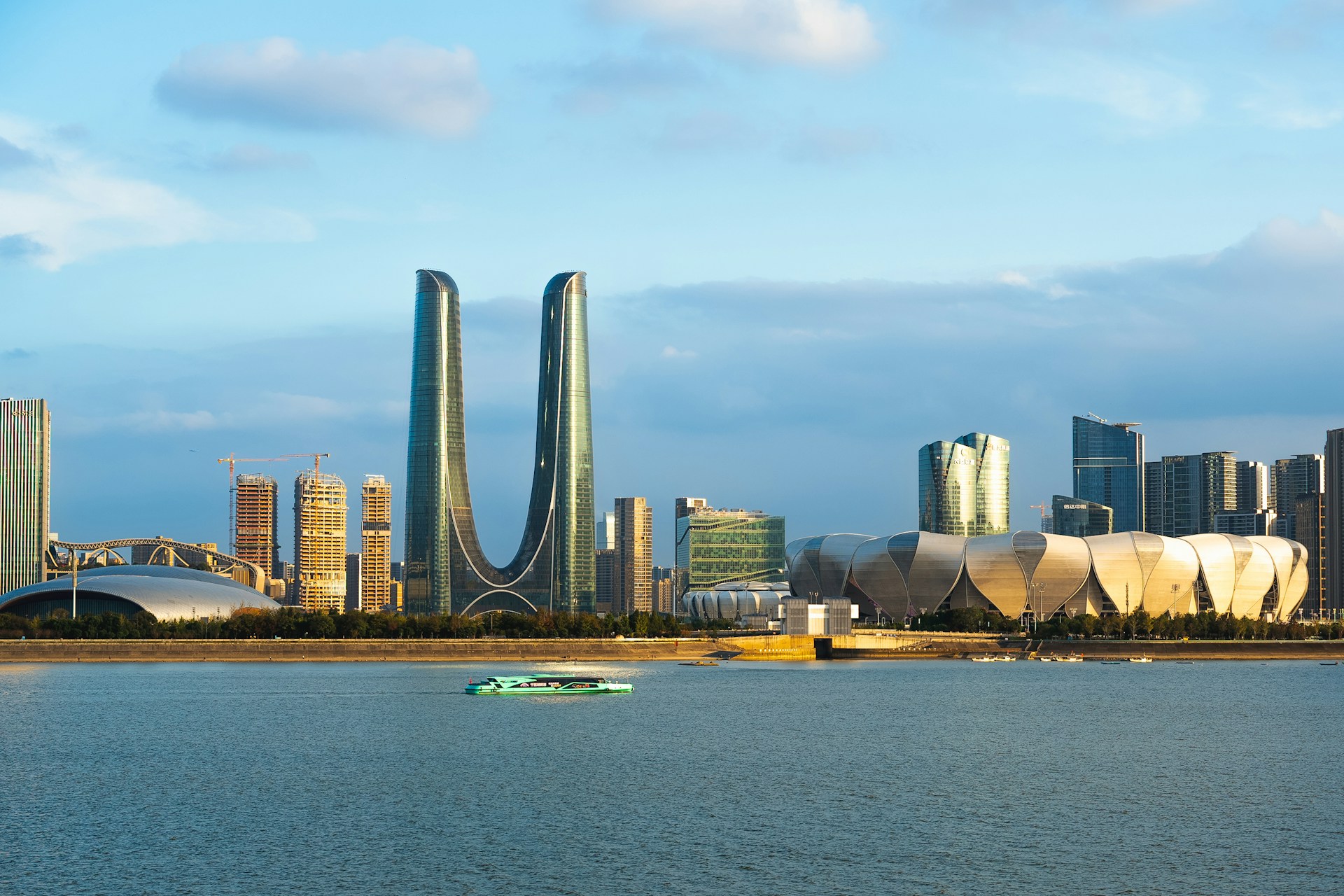
Hangzhou City Brain (China)
Developed by Alibaba Group, this project uses thousands of cameras to monitor traffic and automatically adjust traffic signals in real time. As a result, traffic congestion has been reduced by 15%.
Aramco Project (Saudi Arabia)
This system uses generative AI combined with digital twins to autonomously optimize energy and water use across city districts and respond to anomalies without human intervention.
Pilot Cities of Sejong and Busan (South Korea)
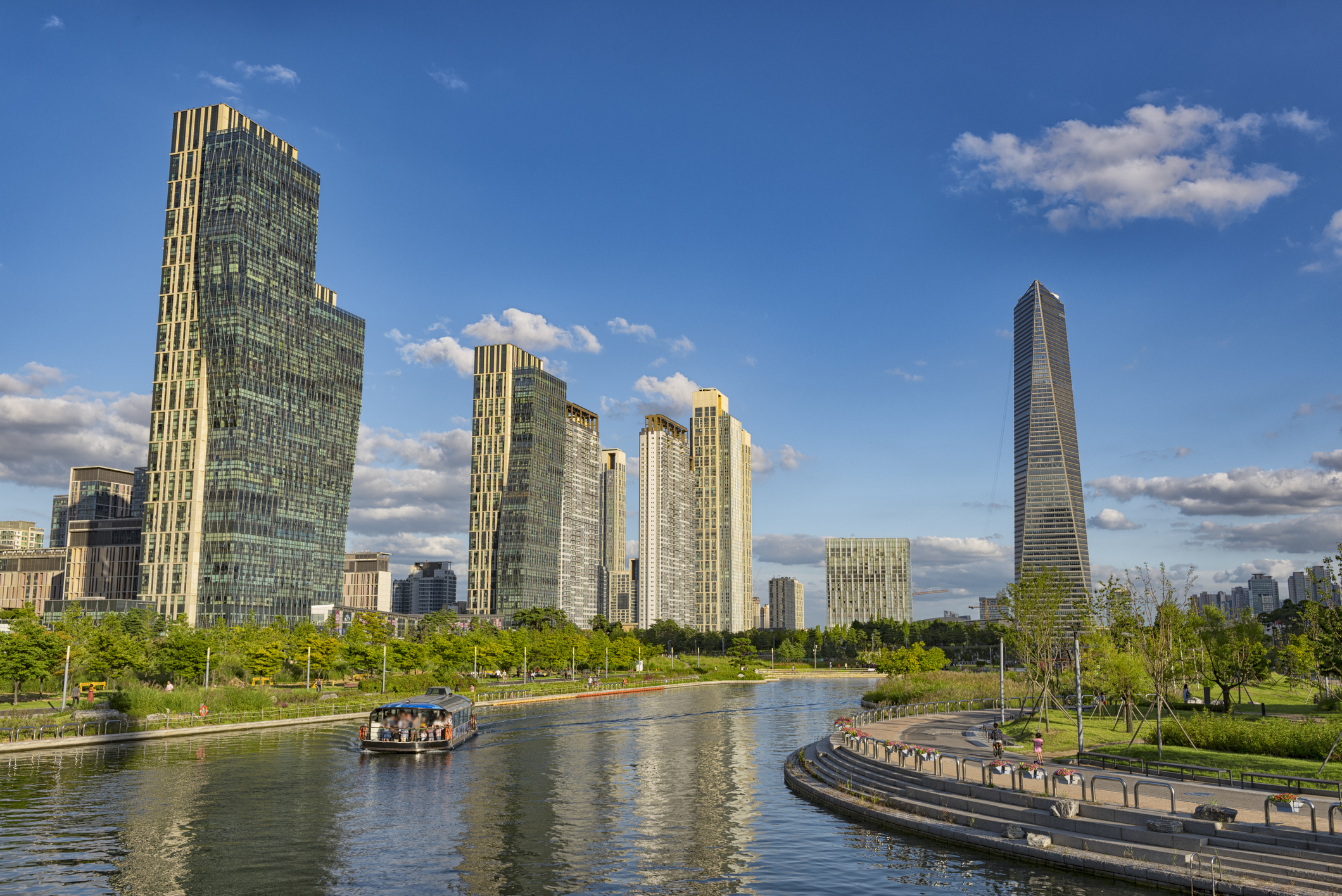
The pilot districts in Sejong and Busan have been designed from the ground up with self-healing networks that automatically recover from disruptions. These systems are intended to maximize resilience in critical services such as energy, water, and mobility.
Photos | JinHui CHEN, Minku Kang, Smart City Korea